Fiction
Jodha is the most popular fiction character among TV audience

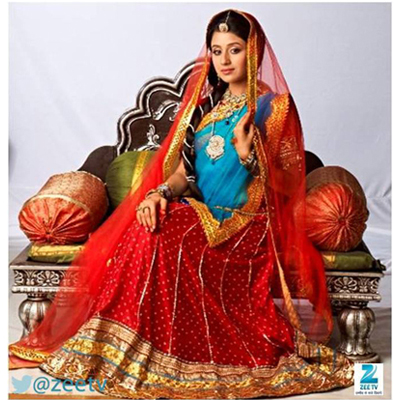
MUMBAI: If you thought only the make-up clad, good-looking bahu from a traditional Indian household managing everything perfectly, could grab the attention of the Indian TV viewers, it is time to think again!
This time, it’s a blast from the past. While the indelible historic story of Jodha and Akbar on Zee TV are fascinating many, Jodha seems to have won all the appreciation. According to the latest findings (November 2013) of the Ormax Characters India Loves (CIL) research, Jodha from Zee TV’s daily fiction show Jodha-Akbar has emerged as the most popular fiction character on Indian television.
 |
The CIL research that is conducted in 19 Hindi-speaking markets in India, covering a monthly sample size of more than 3,000 respondents in the 15-44 years age group, was started in August 2009. Interestingly, Jodha is only the fifth character to have taken the top position, the other four being Anandi (Balika Vadhu), Suhaana (Sasural Genda Phool), Jethalal (Taarak Mehta Ka Ooltah Chashmah) and Ram Kapoor (Bade Achhe Lagte Hain). Jodha is also the first Zee TV character to have taken the top position.
Speaking about the findings, Ormax Media insights head – television Anurag Bakhshi said: “Jodha’s popularity is a result of her unique portrayal of a historical character whose aspirations are relevant to the young audience of today’s evolving India. Her popularity is particularly strong in Uttar Pradesh, Madhya Pradesh and Punjab markets.”

According to the November 2013 Ormax CIL Report, the other most liked fiction characters on television are Sandhya (Diya Aur Baati Hum), Jethalal (Taarak Mehta…), Anandi (Balika Vadhu) and Mahadev, while Kapil Sharma (Comedy Nights With Kapil) is by far the most popular non-fiction character on television.



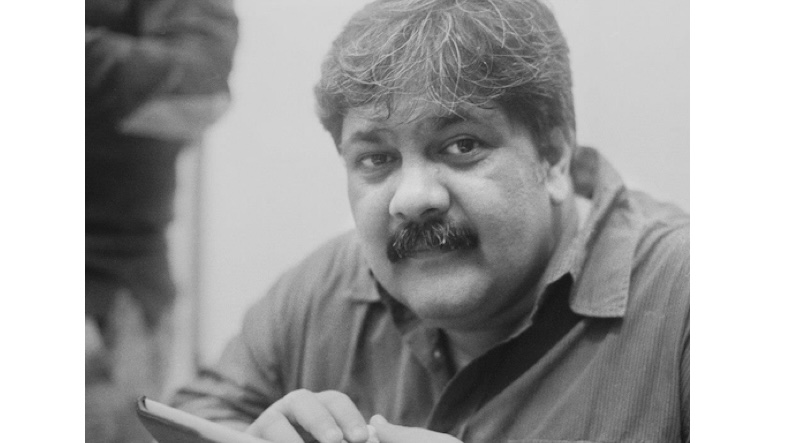
MUMBAI: On Christmas morning, whilst most of Mumbai slept off festive cheer, Satyam Tripathi’s heart gave out. 25 December proved cruelly ironic for a man who’d spent his career crafting drama—this time, there would be no second take. He was only 57.
Tripathi was a scriptwriter’s scriptwriter. Within India’s chaotic television industry, where writers are treated rather like spare parts, he’d carved out something rare: respect. For years, he sat on the executive committee of the Screen Writers Association, helping transform along with other leaders, what was once a talking shop into an organisation with teeth. When writers’ rights were little more than punchlines, Tripathi helped pen a different ending.
His credits read like a greatest hits of Indian telly: Hitler Didi, 12/24 Karol Bagh, Ek Mutthi Aasman, Parvarrish Kuchh Khattee Kuchh Meethi. Millions laughed, cried and switched channels to his work. He also championed the association’s Screen Writing Awards, ensuring that good writing didn’t go unnoticed in an industry obsessed with ratings and revenue.
Those who knew him speak of an affable soul, generous with time and advice. In a cut-throat business, Tripathi was that rarest of creatures: genuinely helpful.
His remains were cremated the same evening in the presence of industry associates and friends. The credits rolled quickly. But his final script—a better deal for India’s writers—continues to play out. That’s the sort of ending he’d have appreciated.
(Scriptwriters, producers and friends will be getting together to honour Satyam Kumud Tripathi’s memory and to hold a prayer meeting on 29 December. The location: Shri Guru Singh Sabha Gurudwara, 4 Bungalows, Andheri West, Mumbai. The time: between 3:30 PM and 5:00 PM.)







