AD Agencies
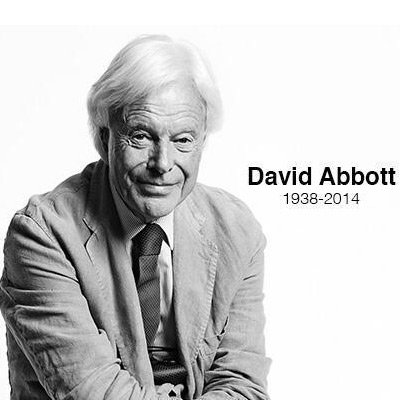
RIP David Abbott, you will be missed!
MUMBAI : If you are someone who keeps a keen eye on British advertising then you will surely know who David Abbott was. Abbott, a British advertising executive and founder of Abbott Mead Vickers BBDO, passed away on Saturday, aged 75.
Abbott started his career in advertising as a copywriter at Mather & Crowther and later got associated with DDB, London. It was in 1971, when he founded French Gold Abbott. After seven years he headed to establish Abbott Mead Vickers (AMV).
Abbott got his due recognition when he was in AMV. The veterans in the industry know Abbott as a person with wit and sharp vision. He is known for creating some classic campaigns for brands such as Volvo, Sainsbury’s, Ikea, Chivas Regal, The Economist, Yellow Pages, and the RSPC. In 1991 BBDO acquired a stake in AMV and appended its name.
He is also known to have authored a book titled, “The Upright Piano Player” in 2010.
Take a look at some of the popular work done by Abbott:
|
|
|
|
|
|
According to international news portals, it is understood that D&AD plans to pay tribute to Abbott at its awards ceremony this week.
(Images sourced from Twitter)

AD Agencies
The smell that told Mumbaikars which station was next
Tata AIA turns Mumbai’s Parle-G memory into a sharp, city-wise outdoor play
MUMBAI: When a biscuit factory became Mumbai’s unofficial station announcement. Long before smartphone maps and automated announcements, commuters on Mumbai’s Western line relied on their noses. As trains rolled into Vile Parle, compartments filled with the warm, sweet smell of baking biscuits from the Parle-G factory. It was a cue to gather bags, wake dozing children and shuffle towards the door.
Now that memory has been pressed into service by Tata AIA Life Insurance as part of its 25-year anniversary outdoor campaign — a city-by-city salute to the lived moments that shape urban life.

One hoarding, mounted close to the old factory site, reads: “We have been protecting Mumbaikars since Vile Parle smelled of freshly made biscuits.” Spare. Local. Loaded.
The broader campaign, rolled out across major metros, leans hard into contextual storytelling. In Kolkata, it nods to trams. In Pune, to Magarpatta’s transformation. In Bengaluru, to a time before IT parks. In Chennai, to OMR before it led to tech corridors. Each line anchors the brand’s longevity to a shared civic memory.

The Mumbai execution is the most evocative. For decades, the Parle-G factory was more than a production unit. It was a sensory landmark. Residents nearby set their clocks by the factory horn. Office-goers marked their commute by the waft of glucose and flour. When the plant shut, the city lost more than jobs. It lost a rhythm.
By placing the hoarding beside the former factory, the insurer collapses distance between copy and context. The site does half the storytelling. The rest comes from commuters who remember opening steel tiffins packed with Parle-G, or jolting awake as the train slowed.
It is a neat piece of brand positioning. Rather than trumpet balance sheets or policy counts, Tata AIA borrows emotional equity from the city itself. Twenty-five years becomes less a milestone and more a presence — steady, local, embedded.
Outdoor advertising is often a blunt instrument. This one is anything but. It whispers. It remembers. And in doing so, it sells trust without sounding like it is selling at all.
The scent may have faded. The memory has not.