Brands
How flexible workspaces are redefining the new normal: Incuspaze’s Ekta Dewan

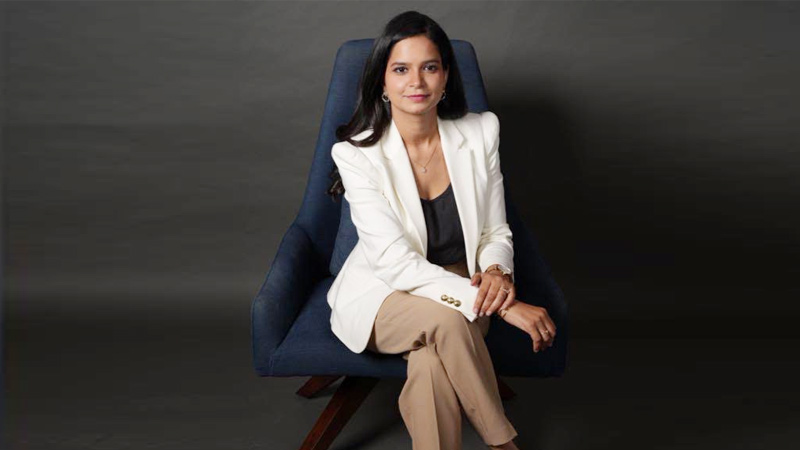
MUMBAI: The pandemic was more than a global upheaval—it was a reset button on how we live, work, and connect. For some, Covid-19 was a storm that shattered routines and brought grief, but for others, it sparked a quiet revolution. Office commutes dissolved into hazy memories of traffic jams, replaced by a patchwork of Zoom calls, barking dogs, and the aroma of freshly brewed coffee wafting through home offices.
It wasn’t just a change; it was an awakening.
But in the chaos of reimagined workflows, a counterintuitive trend began to surface. As people left traditional offices behind, they didn’t just disappear into isolation. They sought something new—something that fused the independence of remote work with the camaraderie of a shared environment.

Enter the coworking space: an ecosystem where flexibility meets creativity, and the hum of innovation drowns out the humdrum.
In India, a land of endless reinvention, coworking spaces have taken root as more than just a trend—they’re a movement. With the market poised to explode from $761.9 million in 2023 to a staggering $2,842.2 million by 2030, as per reports from NMSC.
Amid this transformative wave, Incuspaze’s Ekta Dewan steps into the spotlight, offering a candid perspective on why coworking spaces are not just a fleeting response but the future of work itself. In an exclusive conversation with Indian Television’s Sreeyom Sil, she lays bare the art and science of creating environments where ideas thrive, where walls don’t confine, and where the pulse of collaboration beats strongest.
Welcome to the office renaissance—one desk, one conversation, and one bold vision at a time.
Edited excerpts
On the difference between co-working spaces and managed office spaces.
Co-working spaces are shared environments ideal for startups, freelancers, and small businesses. They offer flexibility in membership options, such as hot desks, dedicated desks, and private offices, alongside amenities like high-speed internet and communal areas. However, they often have limitations in terms of privacy and customisation.
Managed office spaces, on the other hand, are fully private and tailored to the specific needs of a business. These offices provide more control over layout, branding, and design, making them suitable for medium to large teams. They also offer a professional environment with privacy, stability, and essential services like maintenance and security, all managed by the provider.
At Incuspaze, we cater to diverse needs by offering both options, ensuring businesses can scale and adapt seamlessly.
On an innovative digital sales strategy that has worked for Incuspaze.
Digital strategies have been pivotal in converting inquiries into memberships. One of our most effective campaigns was the #ThinkIncuspaze initiative, launched in Bangalore. Rather than merely advertising office spaces, we positioned our offerings as a lifestyle—highlighting flexibility, creativity, and community.
This people-driven campaign resonated deeply, generating significant traction on social media and ground-level engagements. By connecting emotionally with our audience, we turned leads into loyal members.
On how Incuspaze is leveraging AI and predictive analytics in its operations.
AI and predictive analytics are game changers. By studying customer behaviour and demand patterns, we forecast occupancy and optimise revenue streams. We’ve also partnered with customer communities to harness ideas and create growth opportunities.
The IT industry’s shift from traditional analytics to a blend of data, voice, and video analytics further informs our strategies. These investments allow us to revolutionise customer lifecycle management and enhance user experiences.
On the key metrics used to measure the success of digital ad campaigns.
We focus on metrics like lead conversion rates, customer engagement, and ROI. Our campaigns are designed to create a strong brand recall. For example, we emphasise our unique selling propositions (USPs) in every campaign, whether it’s flexibility, innovation, or community-driven workspaces.
Optimising ROI involves refining these campaigns based on analytics and continuously building trust with our audience.
On the role of festive campaigns in fostering long-term member retention.
Festive promotions do generate initial interest, but our focus lies in converting that interest into loyalty. We achieve this by providing seamless onboarding and personalised services.
During festive seasons, we highlight our vibrant culture and collaborative environment, offering potential members a glimpse into the Incuspaze experience. Our campaigns emphasise value beyond aesthetics, ensuring we foster lasting relationships.
On a campaign that reflects your storytelling evolution.
The #ThinkOfficespaceThinkIncuspaze campaign exemplifies our evolved approach. We moved beyond highlighting physical attributes and focused on telling stories about collaboration, community, and growth.
This campaign particularly resonated in Bangalore, connecting deeply with entrepreneurs and startups. By showcasing our spaces as hubs of innovation and lifestyle, we built a narrative that distinguishes us in the crowded marketplace.
On the trends that are shaping the flexible workspace industry in 2024.
Several trends are shaping the industry. The hybrid work model has increased demand for scalable solutions like hot desks and private offices. Wellness-focused amenities, such as ergonomic furniture and air purification systems, are now essential.
Technology integration, like IoT-enabled smart offices and seamless video conferencing, is transforming user experiences. Sustainability is also crucial, with eco-friendly designs and energy-efficient systems gaining traction.
Bangalore, with its robust tech-driven economy, has emerged as a leader in this segment, accounting for over 17 per cent of seat leasing in Q1 2024. Large corporations, especially GCCs and tech firms, are driving this growth by opting for agile, cost-effective office solutions.






Brands
Wipro hires 7,500 freshers, withholds FY27 hiring outlook
Profit rises to Rs 3,522 crore, Rs 15,000 crore buyback announced.
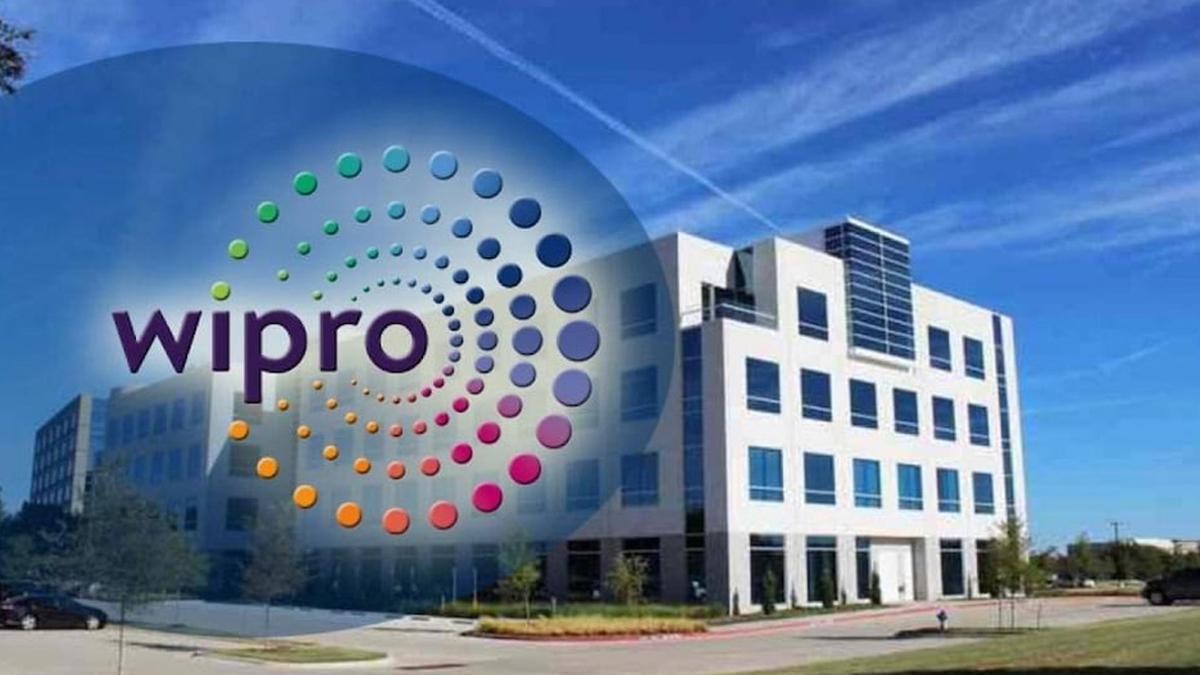
MUMBAI- Hiring may be on, but visibility is off, Wipro is adding talent even as it pauses the crystal ball. The company hired 7,500 freshers in FY26 but stopped short of offering any hiring outlook for FY27, underscoring the uncertainty gripping the IT services sector as it pivots towards an AI-led operating model.
The disclosure came alongside its fourth-quarter earnings, where management flagged volatile demand conditions and refrained from committing to future workforce expansion. Chief human resources officer Saurabh Govil noted that over 3,000 of the total hires were onboarded in the March quarter alone, signalling continued intake despite a lack of clarity on deployment pipelines.
This divergence active hiring without forward guidance reflects a broader industry pattern where talent acquisition continues even as deal conversions remain uneven and client spending cycles stretch. Wipro expects its IT services revenue for the June quarter to range between a decline of 2 per cent and flat growth sequentially in constant currency terms, reinforcing near-term caution.
Chief executive officer Srini Pallia pointed to artificial intelligence as both a disruptor and an opportunity. He said evolving client priorities are pushing the company towards outcome-driven engagements, with Wipro increasingly focusing on a services-as-software model through its AI Native Business and Platforms unit. The shift marks a structural change from traditional headcount-led growth to AI-enabled delivery frameworks.
The company has already committed over $1 billion to its AI ecosystem, with investors closely watching how these investments translate into revenue. For now, the numbers present a mixed picture. Net profit rose sequentially to Rs 3,522 crore, while revenue grew 3 per cent to Rs 24,236 crore. However, core IT services performance remained under pressure, with full-year revenue declining 0.3 per cent in dollar terms and 1.6 per cent in constant currency.
Large deal bookings offered a counterpoint, rising 45.4 per cent year-on-year to $7.8 billion, highlighting a widening gap between deal wins and actual revenue realisation. On a quarterly basis, IT services revenue slipped 1.2 per cent sequentially, signalling continued softness in execution.
Margins, however, told a more optimistic story. Operating margins expanded to 17.3 per cent in the fourth quarter, up from 14.8 per cent in the previous quarter, reflecting improved cost discipline. That said, the company cautioned that upcoming wage hikes and the ramp-up of large deals could exert pressure going forward.
Attrition stood at 13.8 per cent in the March quarter, indicating stabilisation after periods of elevated churn. Alongside its earnings, Wipro also announced a Rs 15,000 crore share buyback, reinforcing its focus on shareholder returns, with a payout ratio of 88 per cent over the past three years.
Taken together, the numbers capture a company in transition investing in AI, maintaining hiring momentum, but navigating a demand environment where growth is uneven and visibility remains limited.