MAM
Dentsu India elevates four execs; eyes No. 2 rank by 2017


MUMBAI: Dentsu India is set to move towards version 3.0 of its India story. The company has a two-fold aim to transform the creative reputation of the Dentsu brand in India, bringing it into the top 5 and contribute towards the objective of taking the Dentsu Aegis Network towards an ambitious No. 2 position by 2017.
In line with this, the roles of four key professionals in the India leadership team of Dentsu have been upgraded.
The current CEO of Dentsu Creative Impact Group and national planning director (Dentsu India – North) Narayan Devanathan has been promoted with immediate effect to the newly created role of Dentsu India group executive & strategy officer.

In his role, Devanathan will be the chief steward of the Dentsu brand in India, ensuring consistency of vision and output, in line with Dentsu’s global philosophy of good innovation. He will also play the role of an integrator with the other members of the Dentsu Aegis Network, both within and outside India, helping leverage the power of the network.
In addition, he will continue to helm the two specialist units of Dentsu Mama Lab (dedicated to connecting brands with mothers meaningfully) and Citizen Dentsu (dedicated to connecting brands with social purpose).
Dentsu Marcom branch head Harjot Narang has been promoted with immediate effect as the company’s president. In recognition of Narang’s contribution to the agency’s turnaround over the last four years, and his continued drive to catapult the agency to be counted among the top 3 agencies in the Delhi / NCR market, Narang will be charged with driving the pace of growth at Dentsu Marcom.

Dentsu Creative Impact brand head Amit Wadhwa has been promoted with immediate effect as the agency’s president.
Over the last four years, Wadhwa has grown from heading the account management function to overseeing the branch’s operations, and has grown the agency from strength to strength. His charge, with more autonomy, will now be to transform the creative reputation of the agency while achieving never-before scale.
Dentsu branded agencies India group CFO C.P Arora will have an expanded role in the Dentsu Aegis Network in India as well. He will now, in addition to his existing responsibilities, take charge as Dentsu Aegis Network India (North) CFO.
Commenting on the developments, Dentsu Aegis Network, South Asia chairman & CEO Ashish Bhasin said, “We are now at the forefront of our next phase of growth in our creative agencies and it is important for us to recognise the excellent talent pool that we have within the network and give them more autonomy to better service our clients. Narayan, Harjot, Amit and C.P. are amongst the best that we have in the network and I am sure that, they will drive the Dentsu Creative Agencies to new heights and help Dentsu Aegis Network become the second largest agency group in India by end-2017, overturning for the first time the existing ranking which has historically been in place for over 80 years in India.”







Brands
Pocket FM elevates Lalit Gangwar to COO to drive global growth
Founding member to lead operations, monetisation and expansion across markets
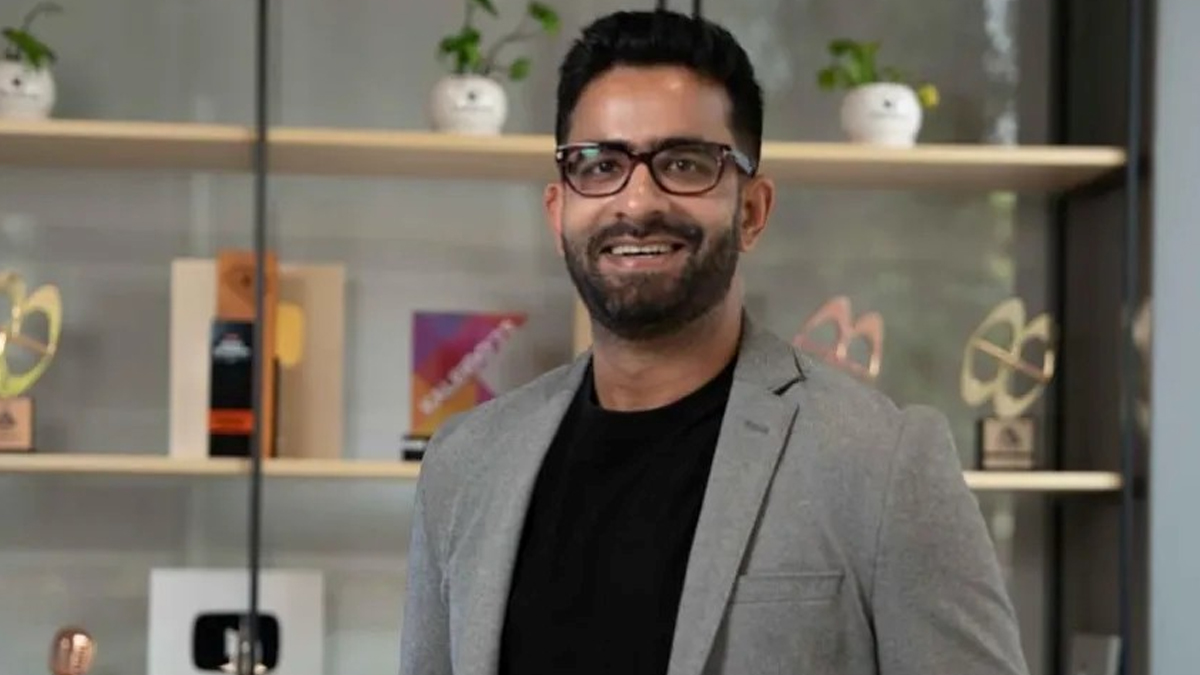
MUMBAI: Pocket FM has elevated Lalit Gangwar to chief operating officer, tasking the founding team member with leading global business operations as the company sharpens its international growth strategy.
In his new role, Gangwar will oversee end-to-end operations across markets, including growth, monetisation and execution for the company’s audio business. The appointment comes as Pocket FM looks to strengthen its operating foundation and build a more predictable, scalable global business.
Gangwar has been closely involved in shaping the company’s trajectory from its early days. He played a key role in building the growth and marketing playbook in India, helping the platform scale to over 150 million users within its first year and establish a strong foothold in the audio storytelling category.
He later led Pocket FM’s expansion into the United States, where he set up teams, defined market strategy and drove scale, contributing significantly to the company’s international ambitions.
Pocket FM co-founder and CEO Rohan Nayak said, “Lalit has been central to Pocket FM’s journey from the very beginning. He has built our growth engine and scaled our business across markets.” He added that the company’s focus on nurturing internal talent makes Gangwar a natural choice to lead the next phase.
Gangwar said, “Pocket FM has always been driven by a simple belief that powerful stories can travel across borders and create meaningful impact.” He noted that the company will continue to focus on scaling markets, investing in AI-led storytelling and strengthening monetisation.
As COO, Gangwar is expected to bring greater operating discipline while building systems, talent and processes to support long-term growth.
With leadership continuity and a clear global focus, Pocket FM appears to be turning the page to its next chapter, one that aims to take its storytelling playbook well beyond home turf.