iWorld
The biggest buzz on Facebook in 2020

KOLKATA: This year brought a wave of surprises which united people across countries and made them realise the power of doing ‘More Together’ while practicing social distancing. As we prepare ourselves to embrace what the coming year has in store for us, Facebook has given glimpses of some of the moments that united people across its family of apps.
For instance, people came to Facebook to commemorate the figures who left a lasting legacy around the world. Kobe Bryant’s passing was this year's most discussed moment on Facebook, with the US, Mexico and Philippines sharing the most posts and photos celebrating his life. US Supreme Court justice Ruth Bader Ginsburg was commemorated in more than six million posts in one day across Facebook and Instagram, with many using the hashtag #restinpower. The passing of prominent personalities including Irrfan Khan, Rishi Kapoor, Sushant Singh Rajput, S P Balasubrahmanyam, and Pranab Mukherjee echoed deeply in the conversations in India.
The incident which reshaped the year, Covid2019, was also discussed highly. Throughout March, more than 1.5 million Spaniards posted to express their gratitude for medical staff using #aplausosanitario. Instagram and Facebook Live views doubled in Italy when lockdowns hit, as residents sang on balconies and broadcasted under quarantine. Meanwhile, in the US, Facebook Live viewership jumped 50 per cent, with many tuning into fitness classes, connecting with artists and more. Live broadcasts in India tripled in June 2020 compared to the same time last year. With the launch of the fundraiser feature in India, ‘I for India’ fundraiser concert witnessed over 85 artists raise funds for people affected by the pandemic.

Facebook’s global community elevated important issues that mattered to them more than ever. In the three weeks following George Floyd's death, conversations around Black Lives Matter tripled, with an average of 7.5 million mentions on the platform every day. With 1.8 million members, The Blackout Coalition — a FB group supporting Black businesses, is the No.1 largest group among US users.
People used Facebook platforms to build and maintain community, even at a distance. Communities rallied to shop local, as more than 47 million stories using the ‘Support Small Business’ sticker were created on Instagram globally in the past three months. With in-person services on hold due to Covid2019lockdowns, the holiday week of April 6 (Easter and Passover) was the biggest for group video calls on Messenger and the most popular week of Facebook Live broadcasts from spiritual pages, ever.
With Diwali being a big cultural moment in India and social interactions taking a virtual route, more than four million people across the country made over 7.5 million posts and comments about Diwali on Facebook from 20 October till 10 November. Uniting the whole nation as well as cricket enthusiasts from across the globe, Indian Premier League (IPL) 2020 was a big conversation driver, registering as many as 10 million mentions on Facebook led by fervent fans around the world.
With stakes high, people came to the platforms to make their voices heard. Kamala Harris’ vice presidential selection announcement was the most mentioned moment in August, drawing more than 10 million posts in one day. Further to that, her Indian lineage acted as a catalyst for conversations in India around her appointment. Nearly all adults on Facebook and Instagram in the US saw access to our Voting Information Center, which offered authoritative information on how to register to vote, and well as key facts about voting deadlines.
More than 1.3 million people globally contributed to the years’ largest Facebook fundraiser, its largest ever, raising more than $35 million to provide relief for those affected by the Australian wildfires. To date, more than 2.6 million people have raised more than $87 million through Facebook Fundraisers this year to combat climate change, promote ocean clean up, animal protection efforts, and much more. In India, communities witnessed fundraiser concerts including ‘#BeForBENGAL’, held on World Music Day to raise funds for the victims of Amphan, along with many others.





iWorld
Physicswallah acquires Nextseed Foundation for Rs 1 lakh
Edtech firm completes 100 per cent stake purchase, making it wholly owned subsidiary.
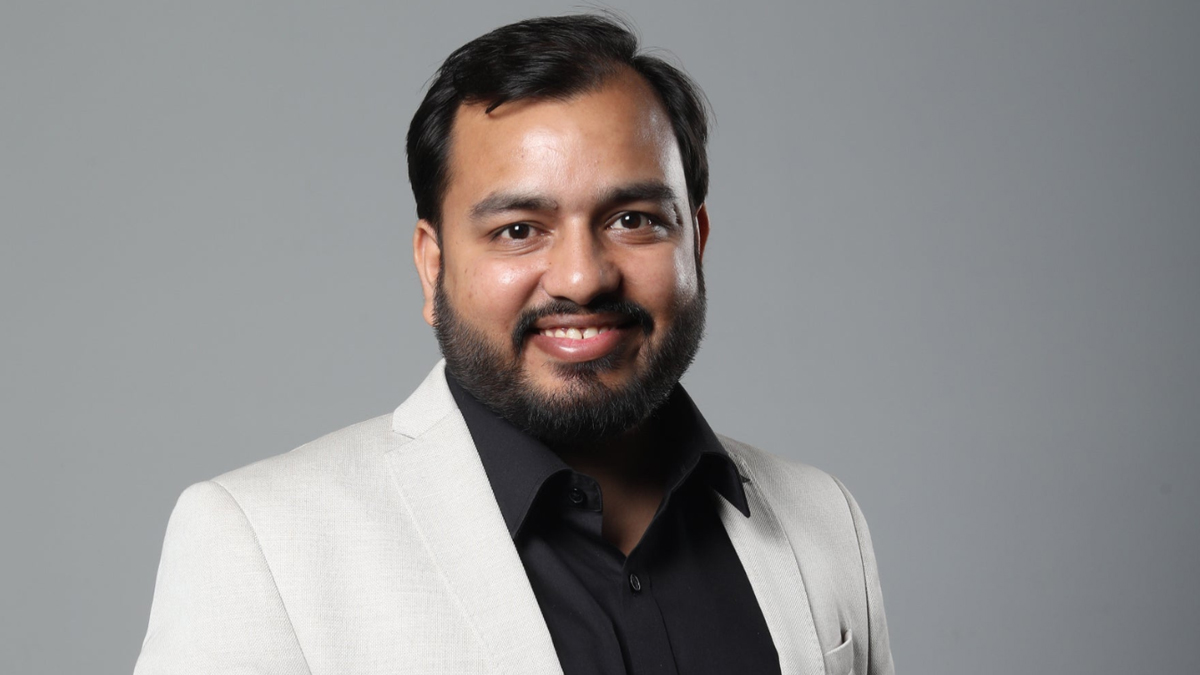
MUMBAI: Physicswallah just aced another acquisition because when you’re already teaching millions, why not add a non-profit to the syllabus for just a lakh? Physicswallah Limited announced on Thursday that it has completed the acquisition of Nextseed Foundation, a Section 8 non-profit company, making it a wholly owned subsidiary with effect from 18 March 2026. The transaction, approved by the board on 5 February 2026, involved purchasing 100 per cent of the issued and paid-up equity share capital for a consideration of Rs 1 lakh.
The deal marks the formal closure of the acquisition, with detailed disclosures already submitted to stock exchanges in February in line with SEBI’s Listing Obligations and Disclosure Requirements (LODR).
Nextseed Foundation will now operate as part of Physicswallah’s broader education ecosystem, aligning with the company’s ongoing strategy to diversify and strengthen its presence across segments.
The announcement comes on the heels of strong financial performance. Physicswallah reported a 34 per cent year-on-year increase in operating revenue to Rs 1,082 crore in Q3 FY26 (from Rs 810 crore in Q3 FY25). Net profit rose 33 per cent to Rs 102 crore (from Rs 77 crore), and surged 46 per cent sequentially from Rs 70 crore in Q2 FY26, crossing the Rs 100 crore quarterly mark for the first time.
In an edtech landscape where growth is the ultimate exam, Physicswallah isn’t just passing, it’s topping the class, one strategic move (and one very affordable acquisition) at a time.