Hindi
Is B’wood moving towards equality?

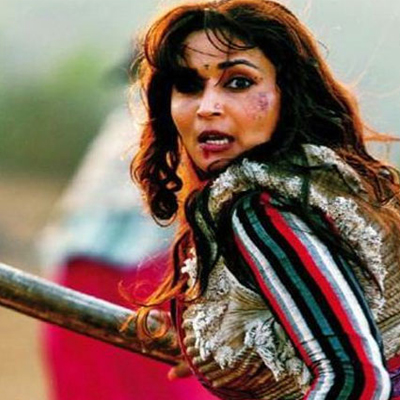
MUMBAI: It has been spoken about many times, but this year seems to attest that Bollywood is actually shunning gender-biases and is moving towards equality. That is what is evident from the movies releasing this year. Many movies of the year are giving prominence to its female actors.
While Parineeti Chopra’s character in Hasee Toh Phasee is a well-etched out role with eccentricities that makes it stand out among all the other characters in the film (even the hero Siddharth Malhotra), in this week’s release – Highway – Alia’s character has been written with similar fervor as well. In fact, Alia’s father and one of the most lauded filmmakers of the country – Mahesh Bhatt – thinks that Alia has ‘lived’ the role of her lifetime.

“Thank you Imtiaz Ali for making Alia ‘live’ the role of her life time. The women of our country will empathise with this heartfelt tale,” wrote Bhatt on Facebook.
In the months to come, Bollywood is going to spring up many such surprises where women will get a chance to not just live their lives but raise the bar too. Many movies with strong women characters and centered around women are going to make a mark at the big screen.
There’s Queen starring Kangana Ranaut that tells the story of a girl whose wedding is called off when her fiancé passes away and she, instead of crying over her situation, decides to move on. The focus of the film is on the character growing up as an individual.
Another one in the pipeline is Gulaab Gang starring Madhuri Dixit and Juhi Chawla among host of other female actors. Again a woman-centric film based around the activist group Gulaabi Gang, shows how women have started getting prominence in the film industry with diverse being written for them.
One of the other movies being looked forward to is Bobby Jasoos starring Vidya Balan in which she portrays the character of a sleuth. The film is not just being anticipated as Indian cinema’s answer to detective films but probably is also one of the first in India to be bringing in a female actor to play a sleuth.
Mary Kom’s biopic with Priyanka Chopra portraying the sportstar in the film is another addition to the list. While biopics are any way not too regular in India, one on a female sportstar is something very rare. And thus this is one movie that every movie buff is waiting for, especially after Irrfan and Farhan Akhtar have raised the bar of getting in to the skin of the real life people they portrayed in Paan Singh Tomar and Bhaag Milkha Bhaag. Priyanka is surely being watched out for in this upcoming movie.
Doesn’t it seem to be a great year for women in the film industry?







Hindi
Rashmika Mandanna, Shanaya Kapoor and Naila Grrewal climb IMDb’s Indian celebrity rankings
Upcoming films and returning shows are driving fan interest across Bollywood and streaming
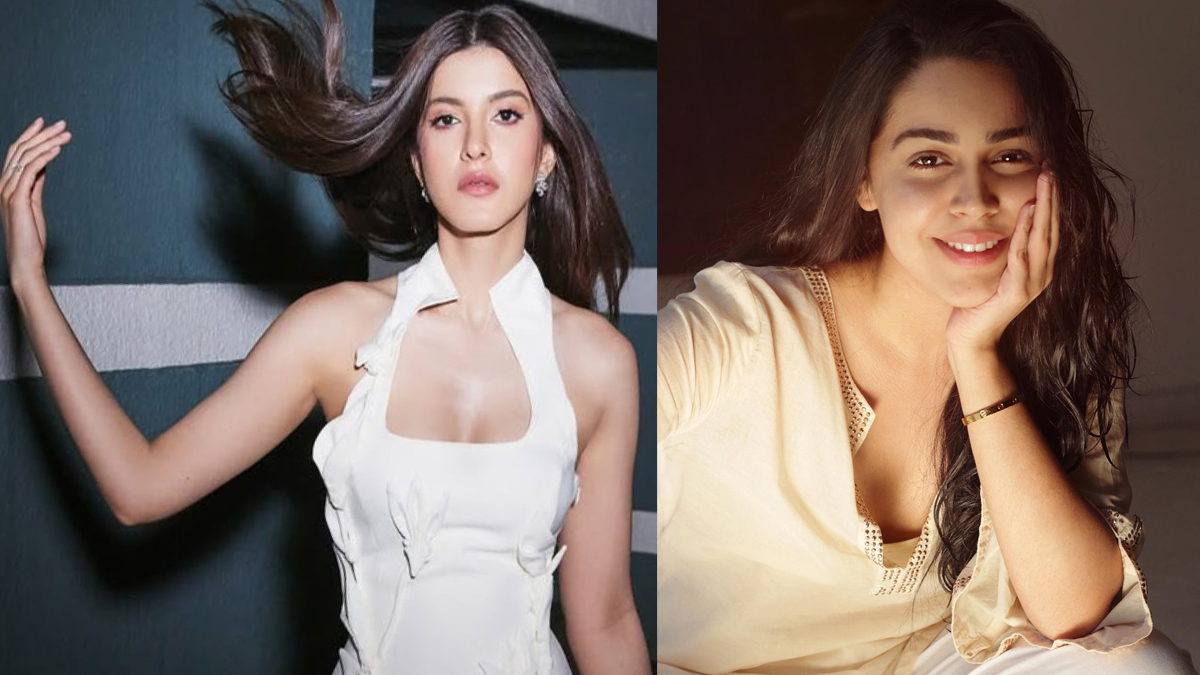
MUMBAI: Bollywood’s popularity contest has a new weekly scorecard, and the numbers are telling. IMDb’s Popular Indian Celebrities list for this week places Shanaya Kapoor at number six, buoyed by buzz around her film Tu Yaa Main. Naila Grrewal slots in at seven on the back of the returning comedy series Maamla Legal Hai, while Rashmika Mandanna climbs to eighth, riding mounting anticipation for Cocktail 2.
The list, available exclusively on the IMDb app for Android and iOS, tracks trending Indian entertainers and filmmakers each week, drawing on data from more than 200m monthly visits to the platform worldwide.
Further down the rankings, Raaka is keeping two of its biggest names in the spotlight. Deepika Padukone holds 11th position, with Allu Arjun close behind at 13th, as the film continues to find traction with audiences.
The list offers fans a weekly pulse on who is breaking through, who is holding steady, and who is fading. It is a barometer as unsparing as the box office itself.







