MAM
Three metals for India in Media Lions

MUMBAI: In the Media Lions category, day three at Cannes brought India good news as Leo Burnett bagged the Silver metal for its Ink Pad campaign for Door Step School along with Cheil Worldwide for Samsung Printers’ Minus One Project.
Joining the metals bandwagon, BBDO and Mediacom secured a Bronze for Gillete’s You Shave. I Shave. campaign.
India‘s performance in the Mobile category was bleak as it had no shortlisted entries. In the Creative Effectiveness category, it also scored a blank. Being the only shortlisted entry, Creativeland Asia failed to pick up any metal in the category.

BBH London’s work for Axe titled ‘Even Angels will Fall’ won the Grand Prix in Creative Effectiveness category. Manning Gottlieb OMD (Google Voice Search) and Grow Interactive (Google) won the Media and Mobile Grand Prix respectively.
Of a total 3,200 entries, 303 were shortlisted and in the end 113 campaigns were awarded with only 12 receiving Gold. The art of storytelling and use of technology were some of the criteria used for adjudging the winners.
Leo Burnett’s Ink Pad campaign for Door Step School was an effort towards increasing awareness and participation in the client’s adult literacy drive. The objective of the promotion was to give uninterested adults the first taste of how much fun learning could be.
In order to bring illiterate adults, Leo Burnett placed a transparent sheet with cut-outs of the alphabets of Hindi (Devanagari script) on top of a regular ink pad which allowed illiterate individuals to print their name. A door to door activation was conducted with the help of local volunteers using the ink pad and thus turning the symbol of illiteracy – the thumb imprint – into a tool to write and encourage people to enroll for the adult literacy programme.
The target of Cheil Worldwide’s campaign for Samsung Printers, titled Minus One Project, was to encourage sustainable printing practices and was targeted at existing and new customers.
The Minus One Project encouraged people to print documents after reducing the font size by just one unit. This reduced the number of pages required to print the document by up to 50 per cent and people could save trees even while taking printouts. Hence they found a solution relevant for the brand as well as nature. Minus One was adopted by many corporate organisations, schools, colleges and other institutes and presented Samsung Printers as a brand that comes up with smart solutions for complex problems.
As a part of the campaign Hindi author Premchand’s classic ‘Gaban‘ re-printed in one size less than in the original copy, having around 25,000 copies in the first print run saving more than 3,50,000 paper sheets. In all, a total of 73 organisations, schools and colleges adopted the idea and took the ‘Minus One Pledge‘.
BBDO’s campaign for Gillete took the unconventional route and showed women shave their legs in public to egg on their male counterparts to shave as well. Thus the name ‘You Shave. I Shave‘. The campaign roped in actors Neha Dhupia and Arbaaz Khan for the exercise where the former shaved her legs in public to get Khan to do so as well.







Brands
Vodafone Idea elevates Vineeth Jayendranath as VP, marketing head Mumbai
Telecom marketer takes charge of Mumbai circle with growth and brand focus
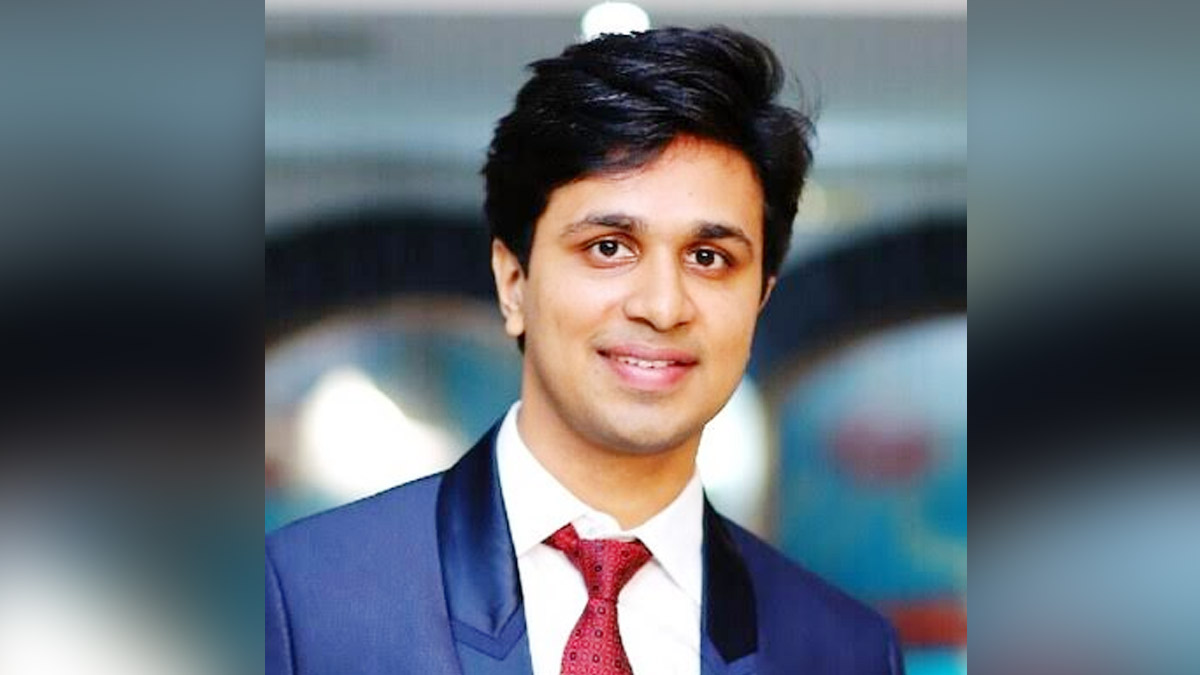
MUMBAI: Vodafone Idea Limited has promoted Vineeth Jayendranath to vice president, marketing head for the Mumbai circle, marking a key milestone in his career as the telecom operator sharpens its regional strategy.
In his new role, Jayendranath will lead marketing efforts across prepaid and postpaid segments in one of the country’s most competitive telecom markets. His mandate includes driving revenue growth, strengthening brand positioning, and deepening customer engagement, while also managing profit and loss responsibilities for the circle.
Sharing the update, Vineeth Jayendranath said, “Excited to share, I am starting my new stint as Vice President, Marketing Head for Mumbai circle at Vodafone Idea Ltd. Would like to thank everyone who has supported me in this journey.”
Jayendranath brings over 12 years of experience spanning telecom and IT, with a strong focus on customer value management and data-led marketing. Since joining Vodafone Idea, he has held multiple leadership roles, most recently serving as general manager leading customer value management and prepaid business across Gujarat, Maharashtra and Goa.
During this period, he handled large subscriber bases and multi-billion rupee revenue portfolios, while rolling out hyper-personalised campaigns and a “segment of one” strategy to improve customer retention and upgrades. He also championed a digital-first approach, pushing adoption of data services and unlimited plans through targeted, insight-driven initiatives.
Earlier, he worked with Idea Cellular Ltd in strategy and business intelligence roles, and began his career at Infosys as a systems engineer. A brief stint at Hyundai Motor India Ltd during his internship added early exposure to marketing strategy.
An alumnus of SVKM’s Narsee Monjee Institute of Management Studies, Jayendranath has steadily built a reputation for combining analytics with marketing execution.
His elevation comes as telecom players double down on circle-level strategies to stay competitive, and Vodafone Idea appears to be betting on data-backed marketing to keep Mumbai firmly in its corner.







