MAM
IndusInd Media CEO Deepak Varma leaves


MUMBAI: Barely two months after being recruited as the chief executive officer of Hinduja TMT subsidiary IndusInd Media & Communications, Deepak Varma has quit the company.
Srinivas Palakodeti, who was chief financial officer, has been elevated as the company’s chief operating officer. HTMT is in the process of de-merging its information technology and media businesses.
“The cable TV industry operates in a way that is not in sync with the understanding that I have had with my past job experiences,” Varma tells Indiantelevision.com. Varma was earlier serving as chief operating officer of BPL Mobile Communications Mumbai. After quitting BPL, Varma was working with a telecom company abroad.

“The cable TV industry could not accept Varma’s style of operations. A group of IndusInd’s distributors protested against him,” a source in the company said.
Varma had taken over from General Anand who retired on health grounds. But soon after being in charge, he fell out with the distributors and found it difficult to understand the complexities of the cable industry.
HTMT is in the process of constituting two debt-free listed companies with mirror shareholding. While information technology and telecom businesses will form part of the technology company, media, including film content and cable TV distribution and broadband, will be part of the new entity.



Brands
JioStar rolls out Ek Hoke Dekh campaign for 2026 TATA IPL season
Star cricketers front film celebrating unity beyond rivalries and regions
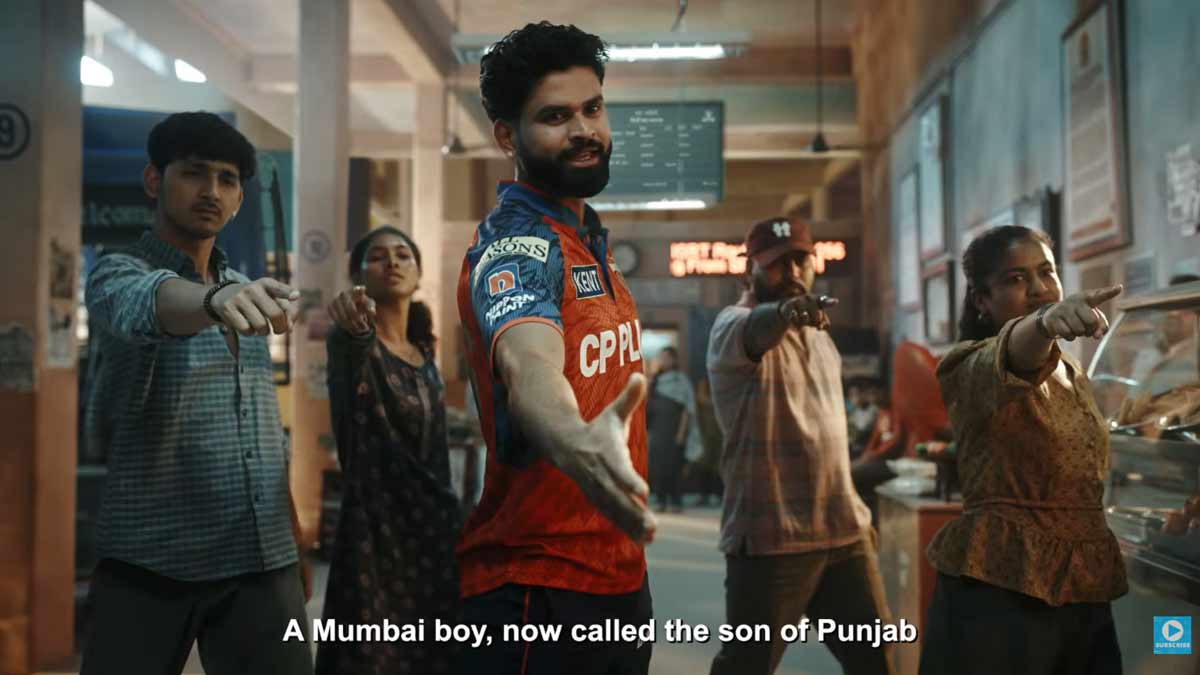
MUMBAI: JioStar has unveiled its campaign for the TATA IPL 2026, titled Ek Hoke Dekh, bringing together some of India’s top cricketers in a bid to celebrate unity amid fierce sporting rivalries.
The campaign film features Ruturaj Gaikwad, Shreyas Iyer, Krunal Pandya, Tilak Verma and Mohammed Siraj, weaving a narrative that moves beyond geography and team loyalties to highlight how the league brings fans together.
Conceptualised by ZeroFifty and produced by Jamic Films, the film opens with a moment of everyday friction before the cricketers step in to reframe the idea of belonging through the lens of the IPL. The story builds towards a coming together of rival fans, echoing the campaign’s core message of unity.
“With 18 seasons behind us, team fandom has evolved into a social phenomenon,” said JioStar head of content, sports Siddharth Sharma. He added that the league blurs cultural lines and brings people together in a way few other events can.
For the players, the message hits close to home. “While we belong to a certain part of the country, fans in our franchise cities embrace us as their own,” said Ruturaj Gaikwad, highlighting the emotional connect that defines the tournament.
The creative team sees the campaign as both a reflection and an invitation. “The TATA IPL divides fans by franchise, but also compels them to come together and enjoy the game,” said ZeroFifty co-founder Shriram Iyer.
As the 2026 season gears up, the campaign sets the tone for what promises to be another high-energy edition of the league, featuring a mix of rising stars and seasoned heavyweights.
With Ek Hoke Dekh, JioStar is betting on a simple but powerful idea. Rivalries may fuel the game, but it is unity that keeps the spectacle alive.






