MAM
GUEST COLUMN: Going beyond the short video format for digital media

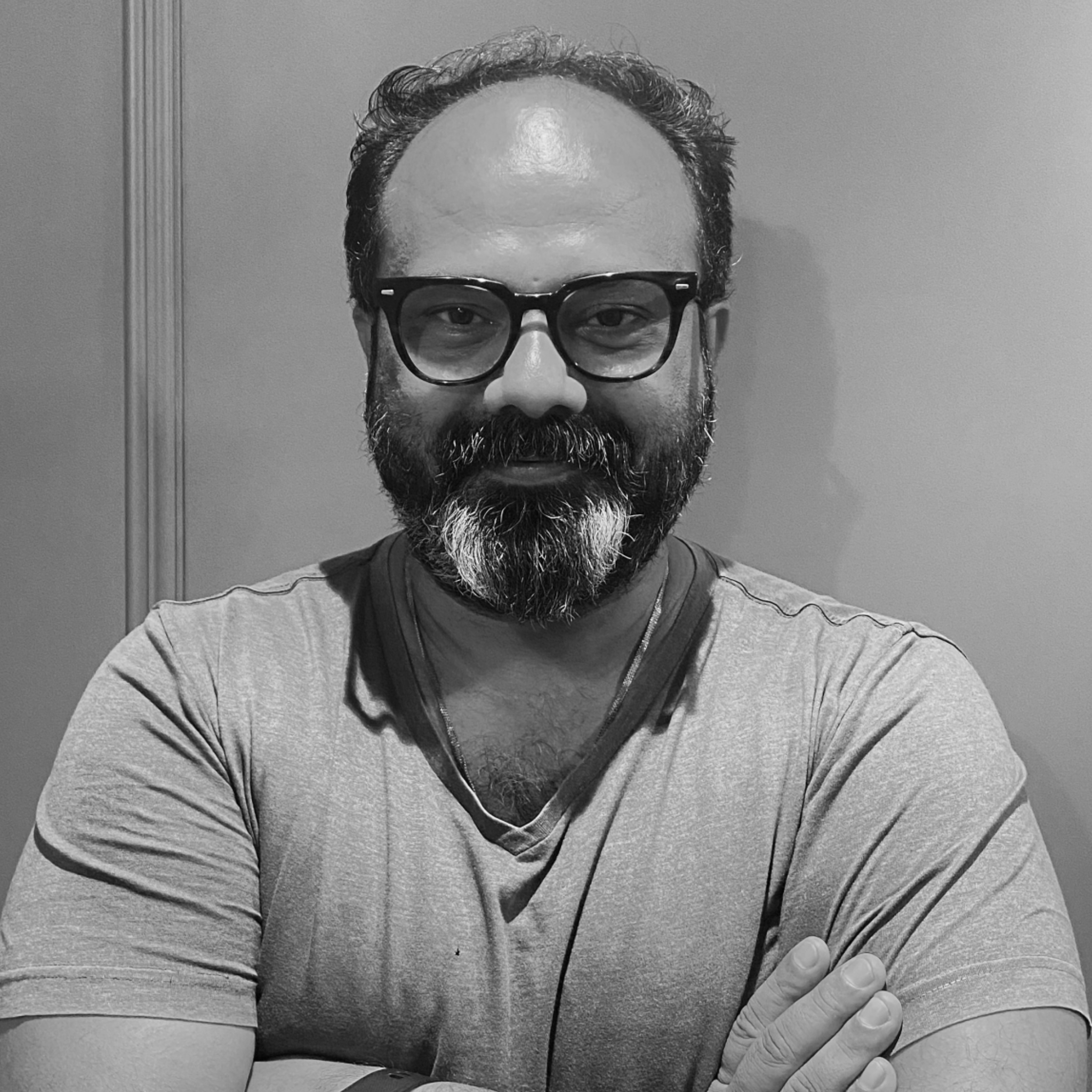
Mumbai: Coconut Films has been in the business of TV commercial production for more than a decade and has recently delivered a digital film for the bullet brand, Royal Enfield. Breaking digital stereotypes, the film is a long-format one & profound. Much like the bike, the film – ’Home’ moves at a cruising pace, and leaves the audiences with a lingering feeling of connecting back with their roots. Coconut Films co-founder Tushar Raut shares his insights on creating the ad-film and how different it was to write for a digital audience.
Digital has been on the rise for a while. More occasions and more stories have been the mantra for marketers trying to connect with a divided audience whose attention span floats from window to window and app to app. So, how are ad-makers navigating through in a cluttered market? These are some questions that the entire marketing community has been facing since the short format video and video consumption online became a way of life.

The good news is that we are no longer being dictated by the inherent challenges of the medium and being dictated by the format. Digital gives you a lot of creative freedom on the upside. Brevity is no longer the order of the day. We are not writing for 30 seconds. Of course, the audience has the option of skipping but every second does not count so I believe there is a lot of wind beneath our wings by that count.
Short format videos are moving fast and selling like hotcakes but the medium has space for longer format and a lot of other kinds of storytelling. The thumb rule here is that there are no thumb rules. It is as ‘lawless’ as it gets. So, you have to do a lot of self-censorships and not get overindulgent with your own ideas. The script is the hero and the story you want to convey guides you rather than the medium.
For Royal Enfield, we picked a subject that most people would relate to, irrespective of the age group and the format of media they consume. The film for Royal Enfield speaks about going back to roots, going back home and that can’t differ in terms of emotions. Even when it comes to the tech-savvy audience, going back to roots (in most cases) is very soothing. Anybody who has been away from home while having a similar set of feelings. People may change with every passing day, their physical needs also change but emotional needs are less fastidious, it is far more basic and confined. That is what makes us so similar despite many differences. I believe that is what one should focus on while working on a film, be it for TV or theatre, or digital.
As for us, ‘Home’- the ad film which is roughly over seven minutes long, was not even conceived with the digital platform on our mind. We wanted to tell a story and tell it in the most authentic way. It was conceived with a feeling of wanting to give things back to where we all came from! Roots! We just wanted to make a film with a pure passion for storytelling without limiting ourselves to any parameters. We strongly believe that good content will be seen be it on TV or digital.
ALSO READ | https://www.indiantelevision.com/mam/marketing/mam/royal-enfields-new-ad-film-kindles-the-joy-of-returning-home-210804
The market dynamics these days are such that brand managers are often pushed by visibility, recall factors and maintain a continuous presence. While the line between content and advertising is blurring, on one hand, there is a constant need for being present and being connected with the audience. I don’t know whether to call it a downside but that tends to dictate a lot of other factors in terms of making the films, production values, etc. Initially, when the medium started putting out films, the brands would have smaller budgets, more films that were restricted to the short format. But over the years, marketers are coming to terms with the fact that a film is a film irrespective of the medium. It has to have a story, good production values, and weave well, overall. It really doesn’t matter if the film is for digital or any other medium because everything remains the same while producing one. One big takeaway for me has been that this is a very dynamic medium and still at nascent stages so it is evolving at a paid pace every day.
It is important for the client, agency, and the production house to be on the same page and understand the objective of the film both in terms of the creative and budgetary aspects. If the brief is clear and everyone is aligned, then you can do a phenomenal job on a tight budget also. Budget is not the prerequisite of success; it gives you more freedom to do a lot of things. But I think it is a sort of a litmus test for professionals.
All marketers will want the best bang for the buck and hence the entire value chain, therefore, aligns to this direction. ‘Home’ luckily was our pet project and the objective was to make an authentic, true-to-life film, which we managed to achieve. By the way, it looks opulent too and that is where our years of hard work has come into play, to achieve what we have achieved within the price points we had earmarked.
(Tushar Raut is co-founder of Coconut Films. The views expressed in the column are personal and Indiantelevision.com may not subscribe to them.)





Brands
Axis Bank named Official Banking Partner of DP World PGTI
Partnership supports all tournaments this season to grow professional golf in India.
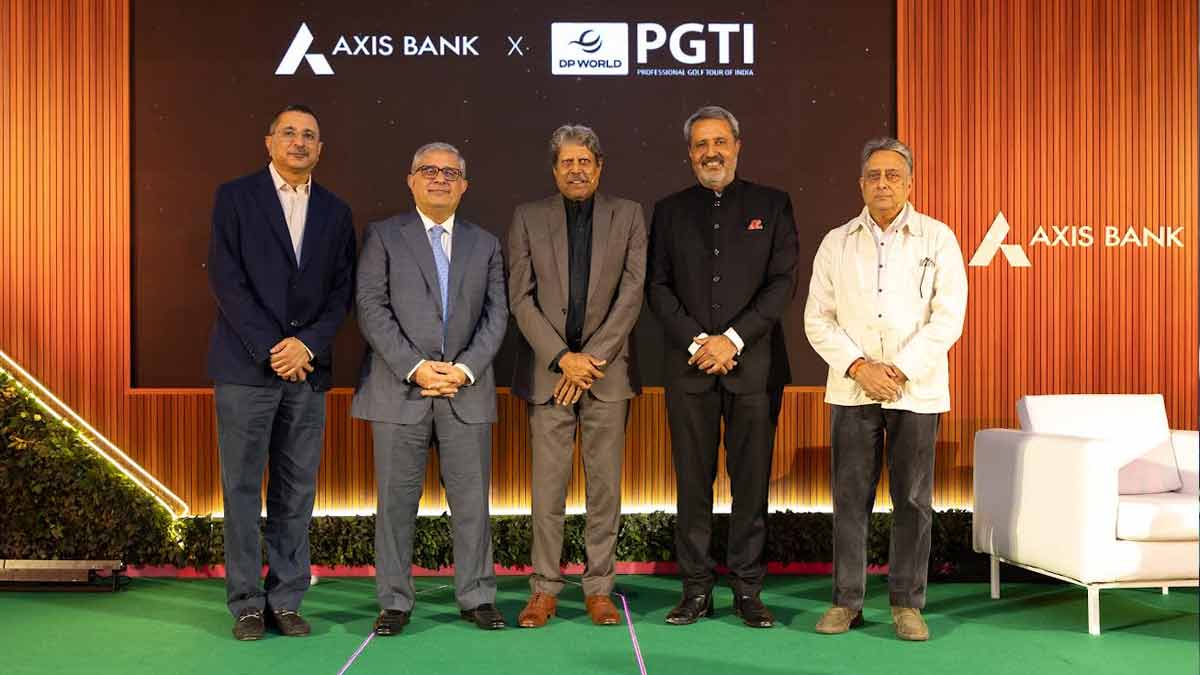
MUMBAI: Axis Bank just teed up a hole-in-one partnership because when a bank sponsors golf’s biggest swing in India, even the fairways feel more financially secure. Axis Bank has been appointed Official Banking Partner of the DP World Professional Golf Tour of India (DP World PGTI), strengthening its commitment to sporting excellence and community engagement while backing the growth of professional golf across the country.
Under the partnership, Axis Bank will support all DP World PGTI tournaments this season, contributing to talent development, enhanced tournament experiences and wider fan engagement. The collaboration aligns the bank’s values of precision, discipline and trust with the Tour’s focus on performance and opportunity.
Axis Bank executive director Munish Sharda said, “We are pleased to partner with DP World PGTI as its Official Banking Partner. Golf embodies precision, discipline, and a pursuit of excellence qualities that strongly reflect who we are at Axis Bank. This association also strengthens our engagement with India’s growing premium customer segments, where the sport has a deep and enduring connect.”
Professional Golf Tour of India president Kapil Dev said, “We are extremely pleased to welcome Axis Bank as a Tour Partner of the DP World Professional Golf Tour of India. Partnerships of this stature play a vital role in strengthening the foundation of the Tour, enhancing opportunities for our players, and expanding the sport’s reach across the country.”
Professional Golf Tour of India CEO Amandeep Johl added, “Axis Bank’s strong legacy of excellence, innovation, and nationwide reach aligns perfectly with DP World PGTI’s goal to elevate professional golf in India and provide greater opportunities for our players.”
In a sport where every stroke counts and every partnership drives distance, Axis Bank isn’t just backing golfers, it’s investing in the fairway to future, turning India’s greens into a stage where precision meets passion and every drive has the power to inspire.









