Brands
Charged on spirits, ThunderPlus unveils ethanol power

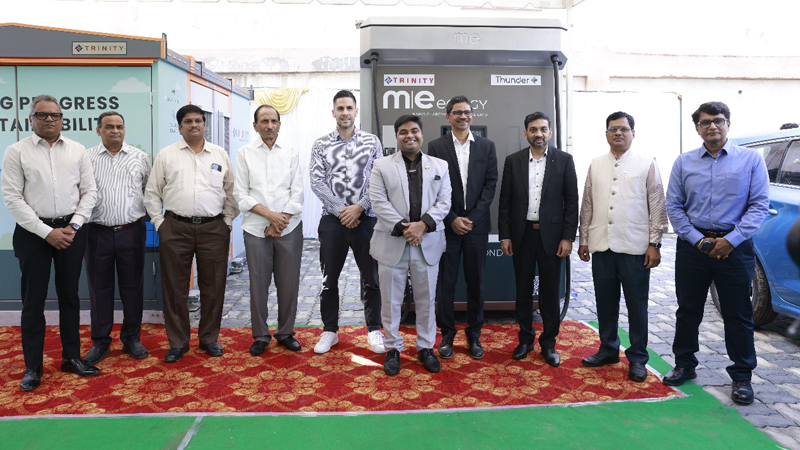
MUMBAI: Looks like India’s electric future just got a shot of “liquid courage.” In a move that’s set to energise the country’s green mobility drive, ThunderPlus and Trinity Cleantech have launched the world’s first ethanol-powered, mobile 150 kW DC fast charger, the ME energy rapid charger 150, in Hyderabad.
Forget heavy grid setups and endless approvals, this clean, portable powerhouse can be up and running in just 72 hours, and it runs entirely on ethanol, a bio-fuel made from plants. The result? Up to 80 per cent lower CO2 emissions and half the operational costs of diesel generators.
“This innovation is all about collapsing timelines, cutting diesel dependence, and giving India a cleaner, instantly deployable charging solution,” said ThunderPlus director and CEO Rajeev YSR. “We proudly call it liquid electricity.”

Unveiling the charger, Olectra Green Tech Ltd. managing director Mahesh Babu hailed it as a “game-changer” for India’s electric bus and fleet ecosystem. “It’s a breakthrough that slashes costs and wait times while boosting sustainability. Perfect for roadside assistance and depots as the grid catches up,” he said.
Trinity Cleantech executive director Raj Kumar added that the product is made under a patented licence from Germany’s ME Energy GmbH and is ready for rollout across India. “It offers a scalable, economical path for companies serious about decarbonising their operations,” he noted.
Inspired by Nitin Gadkari’s ethanol mission, the launch was attended by leaders from India’s clean mobility sector, including Chandramouli Vemula from SIDBI, who praised it as a perfect fit for the nation’s green-finance goals.
The rapid charger 150 isn’t just for EVs stranded on highways. It’s also ideal for remote depots, logistics hubs, mining zones, and even construction sites where grid access is tricky. Beyond transport, it could replace diesel gensets in residential and commercial spaces, offering both power and charging in one eco-friendly package.
With over 1,000 chargers across 60 cities, ThunderPlus has already become one of India’s fastest-growing EV charging companies, working with giants like Tata Motors, Olectra, and Mahindra. Trinity Cleantech, meanwhile, continues to push the boundaries of clean energy innovation.
Together, the two firms are proving that India’s future runs not just on electricity, but on ethanol-fuelled ingenuity. It’s not just a new charger on the block; it’s the start of a cleaner, cleverer India on the move.







Brands
Rakesh Menon joins Paytm as avp – lending
Fintech product leader takes on new role after building digital lending, payments and credit products across fintech ecosystem
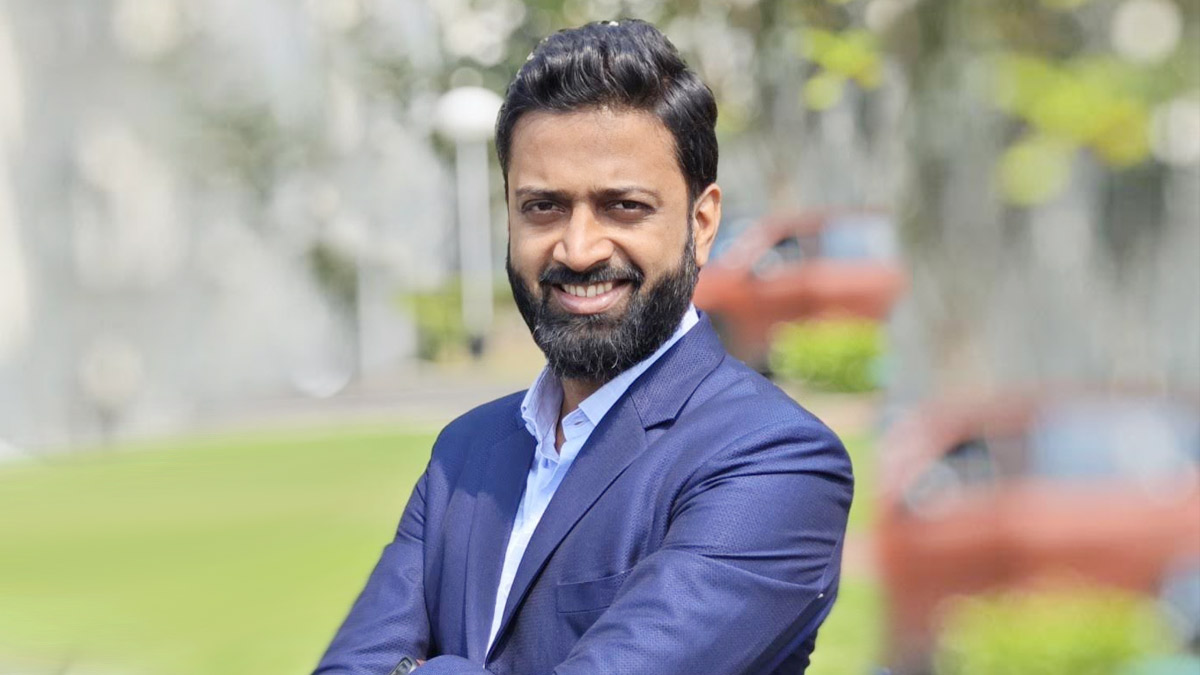
MUMBAI: Rakesh Menon has joined Paytm as assistant vice president – lending, taking on a new role focused on strengthening the company’s lending and credit products.
Prior to this, Menon worked at Profectus Capital Pvt Ltd as chief manager – payments based financing and digital lending.
At Profectus, he designed and launched digital credit products for merchants with variable cash flows, including overdraft-linked and revenue-share lending models. He led end-to-end LOS–LMS API integrations with payment partners and aggregators, enabling real-time underwriting, disbursal and repayment workflows.
He also worked on funnel optimisation initiatives using journey analytics, improving onboarding, KYC and disbursal conversion by 35 per cent. He developed ecosystem partnerships for transaction-data-based credit assessment and automated settlement systems, and collaborated with credit and data science teams to strengthen risk models and early delinquency detection.
Menon standardised partner onboarding and API frameworks, reducing go-live timelines by 40 per cent and improving digital scalability.
Before Profectus Capital, he worked at PayU as senior manager – presales lead – enterprise business from August 2022 to August 2023. He set up a national presales function for fintech and digital commerce clients, aligning solutions such as EMI, BNPL, BBPS and offer engines to merchant requirements.
He also helped improve conversion rates by around 15 per cent through merchant persona mapping, demo frameworks and structured sales playbooks, working closely with product and go-to-market teams.
From April 2019 to July 2022, Menon served as business unit head – SMB – direct acquisitions at Worldline, where he built the SMB online payments vertical from scratch. The business scaled to Rs 2,500 crore in annual transaction volume, growing at 45 per cent year-on-year.
During this period, he introduced paperless onboarding processes including eKYC and eSign, developed partner dashboards and CRM automation systems, and integrated platforms such as Shopify, WooCommerce and Tally to expand merchant adoption.
Across roles, Menon has worked across digital lending, payments and merchant financing, with experience in product development, ecosystem partnerships, API integrations and fintech-led growth strategies.
At Paytm, he will focus on scaling lending products and strengthening digital credit infrastructure within the company’s financial services ecosystem.
His appointment comes as fintech firms continue to expand their lending and embedded finance offerings in a competitive market.







