MAM
Animax claims success with school contact programme

MUMBAI: The anime channel Animax’s school contact programme Get Irfan to School contest has received nearly one lakh entries from 500 schools across the country.
The brand ambassador for Animax Irfan Pathan visited six schools across three metros. According to a company release, the response rate for the contact programme was nearly 25 per cent, which is way ahead of the average industry response rate (12 to 15 per cent ) in this category.
Through the contact programme, the channel reached out to approximately 4,00,000 children. “Irfan was a great draw for the contest and the students were really excited at the prospect of meeting him. Both the schools and kids are very eager to meet this India’s greatest cricket sensation,” said AXN & Animax assistant vice president sales and marketing Rohit Bhandari.
The winning schools were selected based on the highest number of entries generated from each school. Nearly, 7,664 entries were received from New Cambridge High School, Bangalore, which is also the school with highest responses in the country.
While, the other schools that would get to meet with Irfan Pathan are Sacred Heart Boys School from Bangalore, St. Joseph High School (Colaba) and Holy Name High (Fort) from Mumbai and Kalka Public School and Cambridge Foundation School from New Delhi.

Through Get Irfan to School contest the students had to answer a simple question that was featured on Animax and also name their favourite character on the channel.
Through the contest, the Animax character Astro Boy, the robot emerged as the most popular character amongst school kids. While, Daigunder, Hungry Heart and Cyborg Kurochan also emerged as the other popular characters.
In a bid to promote the animation industry, the media release says that Animax has also invited all the 500 participating schools to nominate two of their most deserving students to participate in an animation workshop conducted by a leading animator. Each of the winning school will also get a personalised cricket bat from Irfan.




Brands
Emami names Dhruv Aggarwal as chief growth officer
Former Bain partner steps in as FMCG firm sharpens growth playbook
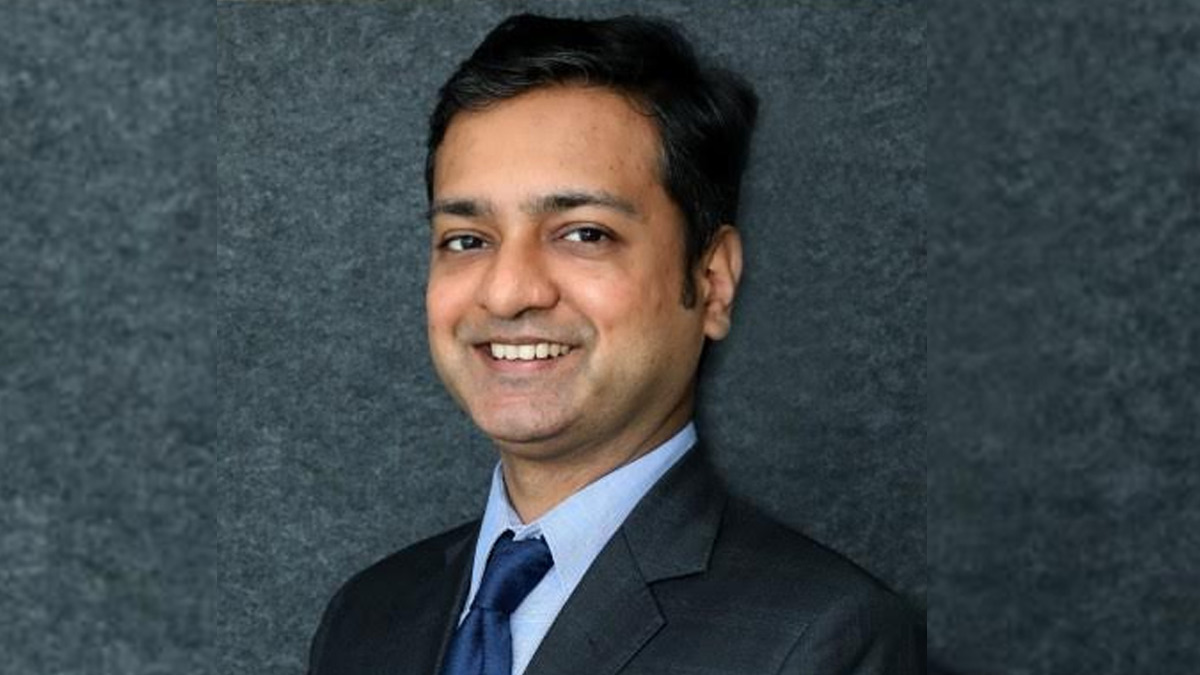
MUMBAI: Emami Limited has appointed Dhruv Aggarwal as its chief growth officer, effective 25 March 2026, following the resignation of Giriraj Bagri.
Aggarwal joins the FMCG major from Bain & Company, where he most recently served as partner. With over two decades of experience across consulting and strategy, he brings a global perspective shaped by work across India, the US, the UK and Germany.
During his tenure at Bain, Aggarwal advised consumer, retail and media companies on large-scale transformations, business turnarounds and growth strategies. He was also closely involved with India’s startup ecosystem, guiding early-stage ventures on scaling and digital expansion, while supporting private equity and venture capital firms on investment decisions.
His earlier stints include a brief role at Barclays Capital and operational experience at Jindal Power, giving him a mix of financial and industry exposure.
Academically, Aggarwal holds an MBA from Indian Institute of Management Bangalore and has also been associated with University of Illinois Urbana-Champaign as a PhD candidate and teaching assistant.
The appointment comes at a time when Emami Limited is looking to sharpen its growth strategy in a competitive consumer market. With a seasoned strategist now at the helm of growth, the company appears set to double down on transformation and expansion in the months ahead.








