MAM
AAAI prowess Digital Hackfest Workshop

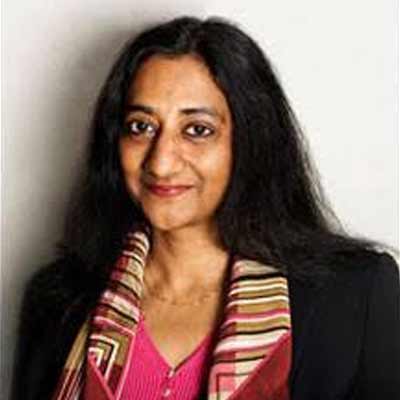
MUMBAI: Advertising Agencies Association of India (AAAI) under the aegis of the AAAI Prowess initiative today announced a One-day workshop ‘‘Digital Hackfest – How to Power-up Brands in the Digital Space’’ scheduled for 26th May 2016 in Mumbai at the AAAI’s Training Centre at Lower Parel. This workshop will be led by Meera Sharath Chandra.
Today it is not about brands wanting to go digital but brands deepening their connect and co-creating experiences with their consumers across interesting and emerging digital apertures. Digital is more than a medium. It is a way of life. A whole new sphere where brands can sharply define their mission, personality, positioning and conversations with consumers. How can the digital strategy seamlessly dovetail with the brand intent? How can it be the heart of a totally integrated experience? How can we better understand the art and the science of digital engagement?
The workshop will be in four parts. First, a look at how our digital and physical worlds collide. Second, examining how brands can leverage the online space in impactful and meaningful ways. Third, an understanding of the role and power of social media. Fourth, joining the dots to create a holistic brand story. Every session will conclude with a fun hack on the theme.
Meera Sharath Chandra is Founder, CEO & CCO of Tigress Tigress – an agency that specialises in integrated communication with digital at the heart of the experience.
An integrated creative professional with 35 years of global experience, handling both MD and ECD responsibilities, Meera has over two decades of specialisation in the digital and integrated space. She has been an award winner and jury member at Cannes Lions, One Show, D&AD, Clio, Art Directors Club and New York Fest among others.
Meera has worked in the US, the UK, Hong Kong and India. As an entrepreneur, Meera has earlier run an Intel-funded dotcom enterprise servicing clients in the US, Europe and Hong Kong, leading a 250-strong team. She has been a member of global task forces on brands such as Nestle, Unilever, Ford and Citibank. She has specialised in UI/UX from the University of Maryland’s Human Computer Interface Lab.
Meera is invited to speak regularly at various international forums such as the Latin American Advertising Festival- Rio, Eurobest – Amsterdam and WHO – Geneva. She is also a pro bono contributor towards the WWF “Save The Tiger” initiative. She is a mentor at the School of Communication Arts, London.