MAM
Pepperfry bets big on digital

MUMBAI: Eight years ago, the concept of buying home furniture online seemed nothing more than an impossible task and worth a laugh or two. But today, things have changed drastically and buying furniture online seems so much more convenient and time saving than making rounds of multiple stores and choosing from the limited options each of them have.
Furniture is one of those few categories in e-commerce wherein quality triumphs over discounts. People are willing to spend a few extra bucks for better quality.
Even today, 90 per cent of India’s furniture sector continues to remain unorganised. Of the organised, only one per cent is online as per estimates. According to a report by Redseer Consulting, the home furniture industry in India was worth $25 billion in 2016 and is expected to grow to $35 billion by 2020 of which, the online section will be worth $700 million.
Launched in 2012, Pepperfry was one of the earliest entrants in the online furniture selling business. The company initially started off by selling furniture, home decor, furnishing, kitchen utilities, fashion and jewellery all under one roof. But after a year’s time, it decided to drop fashion and jewellery and keep its core to furniture.
Pepperfry, which commands a 65 per cent share of India’s organised furniture market, has its target audience in metros and mini metros. Urban youth, newer cities, complexes and migrant professionals are Pepperfry’s core customers. The majority of its sale comes from Bengaluru. Additionally, Pune, Gurgaon, Hyderabad, Chennai, Delhi and Mumbai are also the company’s largest markets. In terms of sale, Pune is bigger than Chennai, Gurgaon is as big as Delhi, Bengaluru is bigger than Delhi and Mumbai combined.

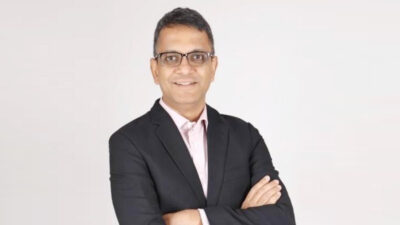
Catering to a large number of young customers, the brand communication must be in their preferred medium – digital. Pepperfry CMO and head of new business Kashyap Vadapalli says that increasingly people are becoming extremely comfortable buying furniture on-the-go (on mobile devices) which wasn’t the case earlier as they preferred shopping only via desktops and laptops.
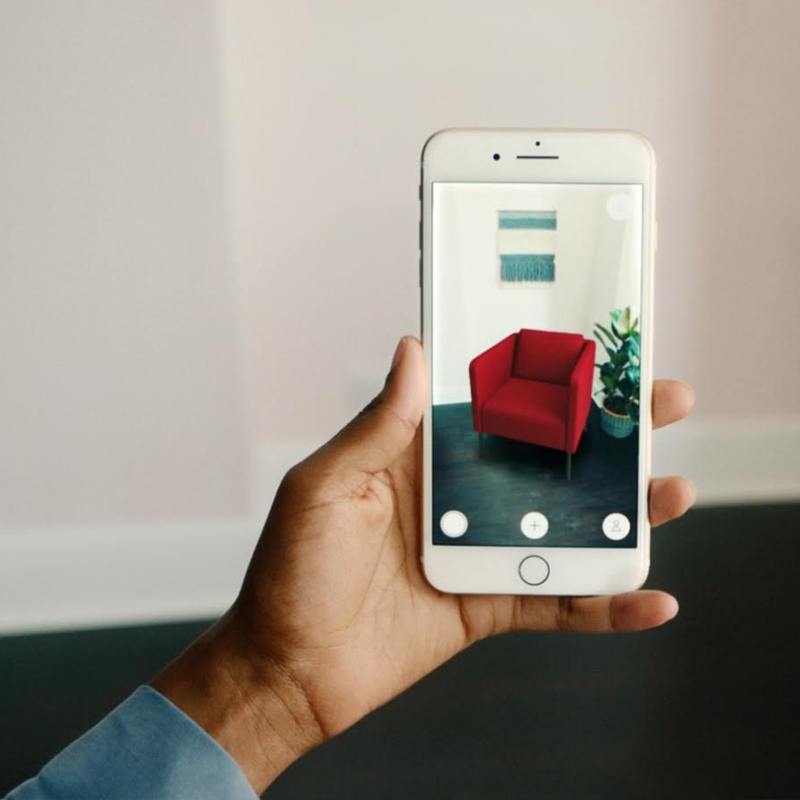
Digital will also change the way we shop going forward and enhance the entire shopping experience. Technology is reshaping the way we look and shop today. Brands across sectors are experimenting with technologies such as augmented reality (AR) and virtual reality (VR) to give a better shopping experience to consumers. Vadapalli affirms that over the next couple of years, we will see a lot of innovation in online furniture space. Pepperfry is investing in enhancing the AR capabilities on phone and if that happens, customers can judge the images much better, they can rotate the images much better and that will help them in taking smart decisions. The company is also looking at investing in VR to set up zones where people can try on different looks and set ups in a virtual fashion.
Although Swedish furniture major IKEA is using these technologies in the US, the renewed shopping model is still fairly new for the Indian audience and the technology back here in India hasn’t been perfected yet. He says that the technology is a little rough in India but it is improving very quickly. Pepperfry has looked at a lot of VR options but the images are very grainy and shifting between looks is a task. Vadapalli thinks it should take only six to 12 months for Indians to perfect the glitch and once it happens, consumers in India will prefer shopping only online.
While quality wins over discounts for urban consumers, the situation in rural areas is far from this. Although the digital penetration in smaller towns is increasing, the concept of buying furniture is still unpopular. This is mainly because touch and feel are still prominent in smaller pockets of the society and people still prefer going to their carpenters or brick and mortar store. Pepperfry doesn’t consider rural as its market as 90 per cent of its business comes from 27 cities that it already functions in but believes rural to be its growth market five years down the line.
Although one of the earliest entrants in the Indian market, Pepperfry today faces stiff completion from other players including FabFurnish, Urban Ladder and a new sub-segment in the category: rental furniture companies like Furlenco and Rentmojo. Pepperfry delivers to 150 cities using its own vehicles across the country, which is the highest reach in this segment. Its competitor Urban Ladder is present in over 100 cities, whereas FabFurnish’s specialised logistics service FabOne is available in seven cities, although the company uses third-party logistics firms to cover more than 100 cities.
After six years in existence, Pepperfry has launched 10 house brands that contribute 50 per cent to its business, 27 Pepperfry studios across 15 major metros and mini metros in the country and is planning to launch 12 more. Vadapalli states that modular furniture is the fastest growing category for Pepperfry today and while furniture drives maximum sales from the entire bouquet, all other categories are expected to grow faster in the next 12 months.
Pepperfry roughly spends anything between Rs 80 and 100 crore annually on its marketing which is split 50-50 between digital and offline (television). He adds, “Digital has always been our core focus and TV only comes in for big campaigns and it provides a business uplift. When we run a TV campaign, we see the traffic going up within an hour. We know TV works and so we will use it strategically, while digital is our continuous bread and butter.”
Although the company does not export to other counties right now, Vadapalli considers it to be a definite plan and idea for the future.
In today’s time, creating brand awareness is one of the key necessities for a successful brand image and Pepperfry has been a part of few branded content on digital platforms and will continue to do brand integration and create branded content.
In the second half of 2018, Pepperfry is all set with its huge campaign around non-furniture categories including kitchen and home decor. Vadapalli says that this campaign will be a major push for its sales.
Some new ad films from the campaign were launched on 14 April 2018.
Also Read :
Ideation to execution is shorter today: Forsman & Bodenfors’ Akesson