MAM
Maaza celebrates Mango Day
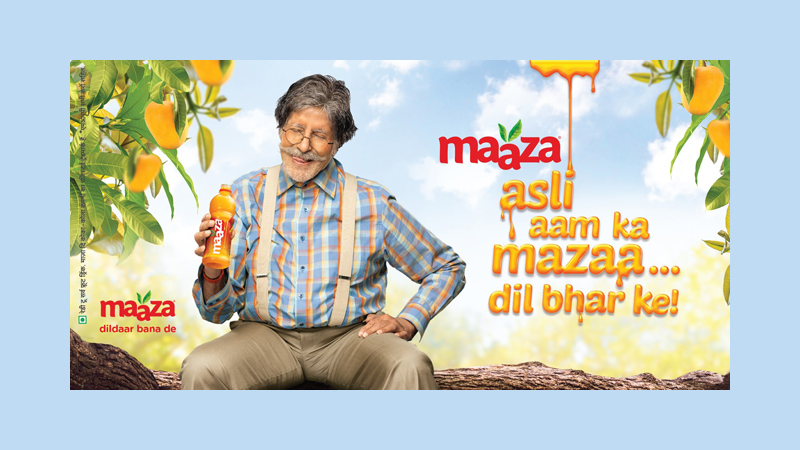
Mumbai: Maaza, Coca-Cola India’s homegrown mango beverage brand, pays tribute to the beloved fruit and the cherished spirit of dildaari that the brand has been championing. From family feasts on Sunday afternoons to social gatherings, Maaza has always evoked a sense of nostalgia, fostering connections over the taste of real juicy mangoes.
Crafted from real Alphonso mangoes, each bottle of Maaza captures the essence of this golden fruit, delivering a flavour that resonates with mango lovers across generations. The brand is also devoted to deseasonalizing the delight of mangoes, enabling enthusiasts to savour its taste year-long. It is why Maaza has become synonymous with pure joy. Its name, meaning “enjoy” in Hindi, is a promise—a promise that each drop will be a burst of delight, refreshing and utterly satisfying.
Since its inception in 1976, Maaza has transformed into a beloved companion in life’s special moments. However, in the past few years, the brand has also embarked on a journey to embody a purpose rooted in the generosity and warmth of mangoes with its meaningful campaigns. Maaza’s ‘Dildaari’ campaigns seamlessly weave the lusciousness of mangoes with the timeless virtue of dildaari, reminding us of the beauty in simple connections.
Reflecting on Mango Day and the legacy of Maaza, director-marketing at Coca-Cola India Ajay Konale said, “Maaza is more than a brand, it’s a drink that brings joy to millions of Indians. For five decades, it has continued to charm people with the authentic taste of real mangoes. This Mango Day, Coca-Cola India celebrates Maaza’s purpose of ‘Dildaari’ to spread positivity by forging meaningful, heartfelt connections.”
As you indulge in that refreshing sip, remember, that Maaza is a celebration of life, love, and the sweet moments we share together.

Digital
India leads global adoption of ChatGPT Images 2.0 in first week
From anime avatars to fantasy covers, users turn AI visuals into culture
NEW DELHI: India has emerged as the largest user base for ChatGPT Images 2.0, just a week after its launch by OpenAI, underlining the country’s growing influence on global internet trends.
While the tool was introduced as an advanced image-generation upgrade within ChatGPT, Indian users are quickly reshaping its purpose. Instead of sticking to productivity-led use cases, many are embracing it as a creative playground for self-expression, storytelling and online identity.
From anime-style portraits and cinematic headshots to tarot-inspired visuals and fictional newspaper front pages, the model is being used to create highly stylised, shareable content. Features such as accurate text rendering, multilingual prompts and the ability to generate detailed visuals with minimal input have helped drive rapid adoption.
What sets the latest model apart is its ability to “think” through prompts, generating multiple outputs and adapting to context, including real-time web inputs. But the bigger story lies in how users are engaging with it.
In India, trends are already taking shape. Popular formats include dramatic studio-style lighting edits, LinkedIn-ready headshots, manga-inspired avatars, soft pastel “spring” aesthetics, AI-led fashion moodboards, paparazzi-style visuals and fantasy newspaper covers. Users are also restoring old photographs, creating tarot-style imagery and experimenting with futuristic design concepts.
Local flavour is adding another layer. Prompts such as cinematic portrait collages and Y2K-inspired romantic edits are gaining traction, blending global aesthetics with distinctly Indian internet culture.
The surge reflects a broader shift in how AI tools are being used in the country, moving beyond utility to creativity. As younger users, creators and social media enthusiasts experiment with new visual formats, AI-generated imagery is increasingly becoming part of everyday digital expression.
If early trends hold, ChatGPT Images 2.0 may not just be a tech upgrade but a cultural moment, giving millions a new visual language to play with online.