Hindi
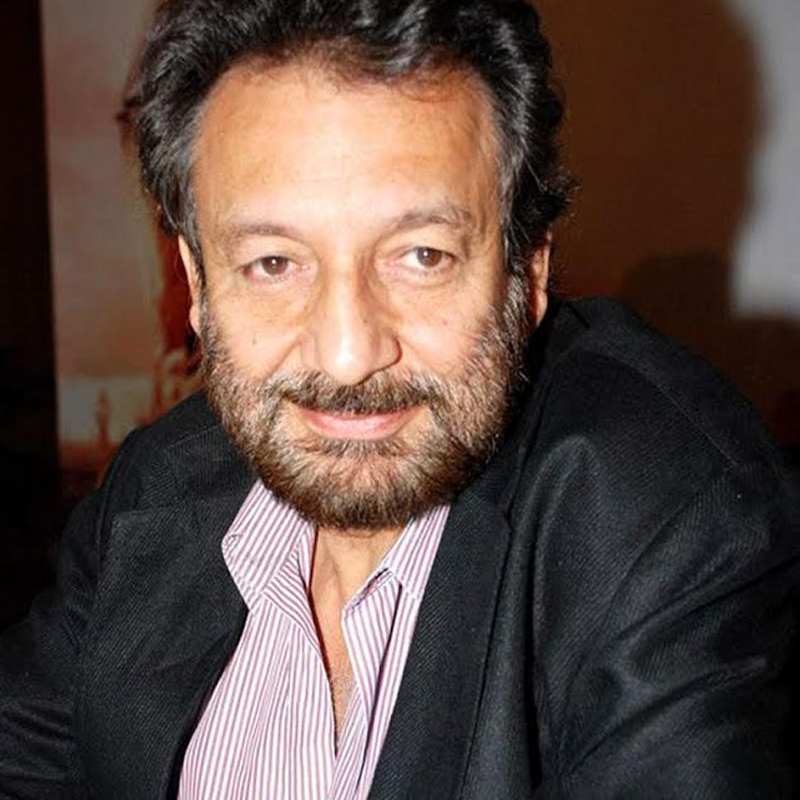
Shekhar Kapur to head Pune-based FTII
MUMBAI: The Pune-based Film & Television Institute of India (FTII) has appointed veteran filmmaker Shekhar Kapur as the president & chairman of the governing council, a position he will hold till March 2023.
Information & broadcasting minister Prakash Javadekar made the announcement on Twitter. He also stated that that Kapur will add value to the institute.
Happy to inform that renowned international film personality #ShekharKapur has been appointed as the President of FTII Society & Chairman of Governing Council of FTII.@narendramodi @shekharkapur pic.twitter.com/lARfoDW4b9
— Prakash Javadekar (@PrakashJavdekar) September 29, 2020
Kapur, in turn, thanked the government for the posting.
Thank you Sir, for the honor. We are a land of stories. Of creativity. And of such varied culture. With your support, and combined with modern technologies, i see a future where our creative talent takes our stories and wins the hearts and minds of people worldwide
— Shekhar Kapur (@shekharkapur) September 29, 2020
He replaces BP Singh who was appoiinted president n 2018. Singh is best known as the producer of the long-running Sony TV show CID and was recently appointed by the Indian Council for Cultural Relations (ICCR) to its general assembly.
Several industry stalwarts and organisations gave their thums up to Kapur’s appointment.
hearty congratulations hon minister @PrakashJavdekar for entrusting our esteemed film maker @shekharkapur as chairman of governing council of @FTIIOfficial film n television institute of india.I am sure my friend shekhar will add a great value with his vast experience. My best
— Subhash Ghai (@SubhashGhai1) September 29, 2020
Congratulations to @shekharkapur! A true master filmmaker at the helm of India’s premier film institute, FTII, will surely help India achieve excellence in cinema and find its place on the global stage at a time when filmmaking is exploding the world over.https://t.co/b7MfEegzHX
— Ranvir Shorey (@RanvirShorey) September 29, 2020
Heartfelt best wishes to you @shekharkapur .Your unmatched experience,broad vision and contemporary pathbreaking ideas will benefit many in your new role.#ShekharKapur @FTIIOfficial https://t.co/NRgBggiDtK
— Prasoon Joshi (@prasoonjoshi_) September 29, 2020
The 75-year old Kapur is well known both in India and internationally, having been involved with cinema for the past four to five decades. Some of the more critically acclaimed films he has been associated with as a producer or director include: Mr India, Bandit Queen, Queen Elizabeth, Masoom, and others. This apart, he has been the host of the TV show Pradhanmantri in 2013.
FTII is India’s leading institution for film making. Started in 1960, the institute, it is situated on the premises of the erstwhile Prabhat Studios in Pune. It has produced some of India’s finest film talents and icons. It offers a variety of courses including – direction, screenplay, cinematography, editing, direction, screen acting.

Hindi
SC slams Neeraj Pandey over Ghooskhor Pandat title, orders rebrand
SC says film cannot release under current title, seeks new name by February 19.
NEW DELHI: The Supreme Court of India has delivered a stern reality check to acclaimed filmmaker Neeraj Pandey, directing a mandatory name change for his upcoming Netflix project, Ghooskhor Pandat. On Thursday, a bench comprising justices B.V. Nagarathna and Ujjal Bhuyan made it clear that creative freedom does not grant a licence to denigrate specific communities.
The title, which translates to Bribe-taking Brahmin, sparked a firestorm of protest from groups arguing the name was a slur against the Brahmin caste. The court’s intervention has now pushed the production into a legal corner, requiring a complete rebranding before the film can be released.
The highlights of the hearing were the sharp observations made by the bench regarding modern filmmaking and social responsibility. Justice Nagarathna pointedly questioned the necessity of using provocative titles that could incite social friction.
“Being woke is one thing. But creating this kind of unrest when there is already unrest in the country… If you use your freedom to denigrate any section of society, we cannot permit it,” the justice remarked during the proceedings.
The court emphasized that the Constitutional principle of fraternity is just as important as the right to free speech. The bench suggested that filmmakers must be mindful of reasonable restrictions, especially when a title appears to target the dignity of a particular group.
Interestingly, this was not the filmmakers’ first encounter with the legal system over this project. Earlier in February, Netflix and Neeraj Pandey had already informed the Delhi High Court that they had made a conscious decision to change the title following the initial public outcry.
Despite this earlier admission, the Supreme Court felt it necessary to formalise the matter. The judges were firm that the film would not see a digital release under its original branding, expressing concern that equating a caste identity with corruption was a step too far for a diverse society.
“Why should any section of society be denigrated? We are not here to allow people to be insulted in the name of entertainment,” the bench noted, while issuing formal notices to the Ministry of Information and Broadcasting and the Central Board of Film Certification (CBFC).
Representing the makers, counsel for Pandey and Netflix clarified that the word “Pandat” was intended as a colloquial nickname for the lead character, a gritty police officer played by Manoj Bajpayee, rather than a commentary on the priesthood or the Brahmin community.
Regardless of the intent, the court has demanded a formal commitment. Neeraj Pandey has been directed to file an affidavit by 19 February 2026, proposing a new title and confirming that the film’s content does not defame any community.
With the original trailers and social media teasers already scrubbed from the internet, the film is currently in a state of creative redesign. The industry is watching closely, as this ruling sets a significant precedent for how streaming platforms handle sensitive cultural labels in India.