iWorld
‘Value proposition’: Why OTT platforms are here to stay

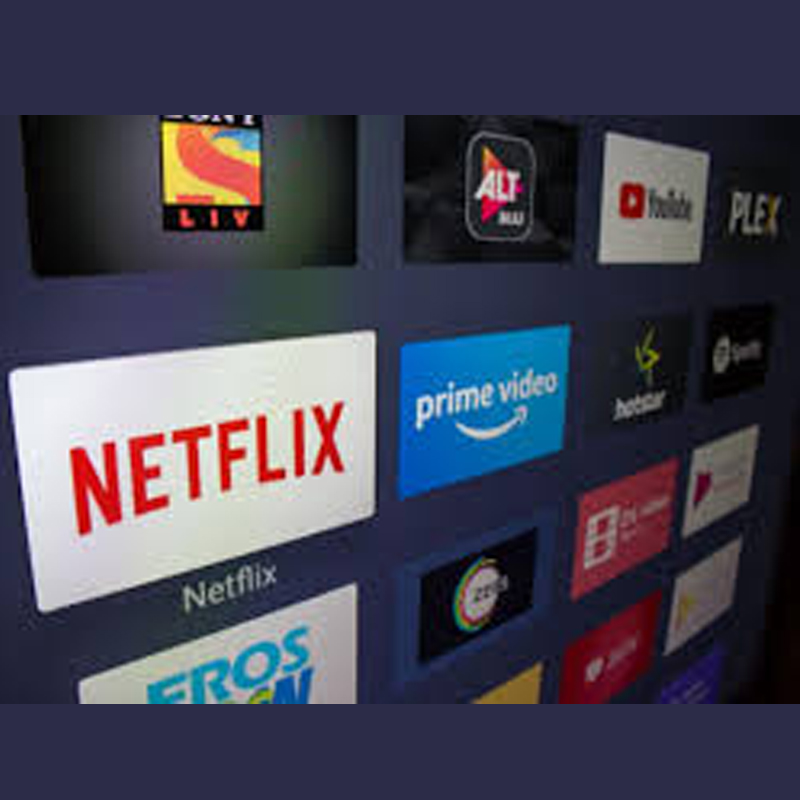
KOLKATA: The Covid2019-induced lockdown was boom time for over-the-top (OTT) players. Making obvious gains at the expense of shut theatres and lack of fresh content on television, SVoD services drew in millions of subscribers who were more than willing to pay for their entertainment, which is why experts believe that there will be no significant churn post-pandemic, thanks to the value proposition offered by OTT platforms.
Consequently, the pressure has been on the streaming services to provide more content and ensure they keep delivering to users, pointed out Disney+Hotstar president Sunil Rayan. However, the streamer has taken multiple bets like launching direct-to-digital movies as multiplexes were closed. Although it has been a hectic nine months, it has led to the point where it’s normal for people to come to OTT platforms for most of their entertainment needs.
“Leaving aside the concerns for OTTs, this platform has grown in clarity and prominence. It has been a great opportunity for talented people in the country, huge opportunity for actors, singers, musicians and technicians to present their skills,” ministry of information & broadcasting (MIB) joint secretary Vikram Sahay said at Confederation of Indian Industry’s (CII) ninth edition of the Big Picture Summit 2020.
Amazon Prime Video country general manager Gaurav Gandhi mentioned that the sector has already seen huge interest in the last few years and the last few months have only accelerated the change. According to him, customer habits are transforming rapidly, and for good. Moreover, users haven’t missed the fact that streaming services are trying to bring a very different premium quality content experience for them – after all, the Indian consumer is very value-conscious, quipped Gandhi. Hence, this adoption is not short term and there would not be a significant churn after people go back to their normal lives, he added.
One of the trends that OTT platforms have seen is a shift towards watching in the living room as opposed to mobile device viewing, highlighted Rayan. “So that has helped us prepare for more traffic, higher bit rates and all. Will these trends continue? Maybe, maybe not, but the good news is it helps us deal with multiple behaviours. Predominantly a lot of people used to watch OTT on mobile devices and now they are moving to living rooms. Maybe they will come back to mobile devices, though the good news for OTT is that it is accessible on all these different platforms,” he remarked.
Gandhi also agreed, but qualified this observation by mentioning that mobile viewing is also going deeper. As Amazon Prime Video has subscribers in over 4,300 cities, it indicates subscription service is not confined to a limited part of the country, he noted.
Overall subscription has seen higher adoption during this period, especially as users have become more accustomed to online payment. “While our ad revenue based business was looking very well, it (SVoD) was completely challenging for us because it was a service that was born in the pandemic. We could map how users migrated from free service to subscription service and that acceleration was significantly higher than we thought,” Viacom18 digital ventures COO Gourav Rakshit shared.
While investment in OTT content is at its peak right now, the comparatively smaller players believe staying true to their value propositions will help them to create a viable business model, Shemaroo Entertainment CEO Hiren Gada said. Eros Digital general counsel and legal head Bishwarup Chakrabarti echoed the sentiment, adding that it’s not about choosing X or Y, but going for “and.” According to him, consumers are trying to get a feel for what they have access to.
However, amid the rapid growth of OTT platforms, the fear of censorship has also risen online content has been brought under the ambit of the MIB. Allaying concerns, Sahay stated that there shouldn’t be scepticism around the government’s decision. But he averred that certain sensibilities, especially of children, need to be protected. “Therefore, we will continue to be in touch with the industry to work out a (regulatory) model which is acceptable to all of us, so that nobody can say India has a large amount of content which it cannot be proud of,” he concluded.