MAM
LinkedIn says #WeCanDoIt on Women’s Day

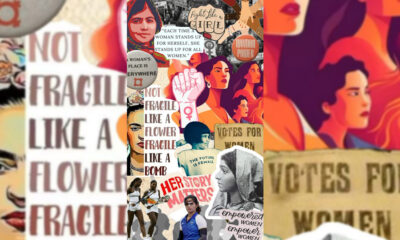
MUMBAI: Online professional network LinkedIn has launched its first global integrated campaign for International Women’s Day 2021 with creators, content and community at its heart. The campaign sees LinkedIn bring together influencers and its community to share content that helps and supports women, creating global engagement across the platform.
The launch comes at a time when Linkedin’s data shows Covid2019 has disproportionately impacted women’s careers. It’s latest Opportunity Index findings show that 85 per cent of women in India have missed out on a raise, promotion because of their gender. In fact, women’s careers are observed to have been more adversely affected despite increasing flexibility at work, as 68 per cent of women and 74 per cent of working mothers in India say it is difficult to balance career and familial responsibilities today. More than seven in 10 women and working mothers in India also say that household responsibilities often come in their way of career progress.
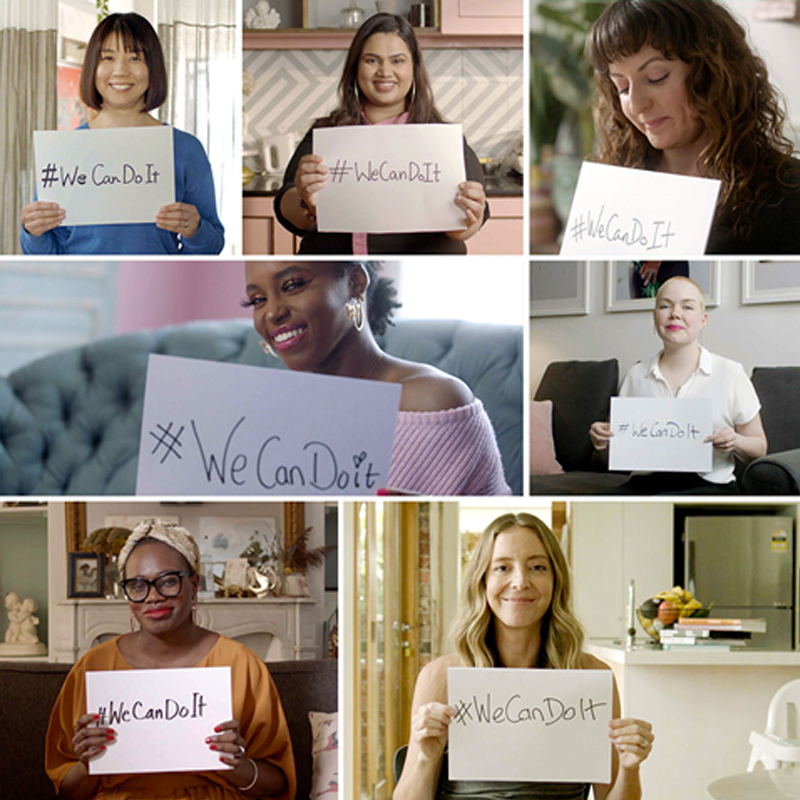
Created with lead creative agency VCCP, the campaign will publish advice, insights and inspirational stories to celebrate women’s voices on and off the LinkedIn platform and encourage conversations that help and empower them. The campaign leads with an emotive film showcasing inspirational real-life stories of seven women from around the world. The film, directed by Jessie Ayles, a filmmaker with a focus on socially conscious issues, takes viewers across the world to meet real women telling us their emotive accounts of the doubts, fears and vulnerabilities they have experienced during the pandemic. The campaign features stories of seven women professionals from seven countries from varied industries, who share their pandemic story and talk about a woman in their network who supported and inspired them throughout the crisis. Each story narrates the power of ‘community’, highlighting how women allies come together to help other women shelter their professions from the pandemic and smoothly transition into the new, evolving, normal.

From India, the campaign features pastry chef and entrepreneur Pooja Dhingra and her struggles as a business owner in the pandemic. In the video, she shares how she was forced to shut down a large part of her pastry business and let go of her staff due to the pandemic. She also credits the unrelenting support from her mother and mentor that helped her survive and pivot a decade-long business effort by reimagining her outlook towards progress and life in the ‘new normal’.
LinkedIn’s senior director of brand & communications, EMEA, LATAM & APAC Ngaire Moyes, said: “Women have faced greater economic hardship through the Covid2019 pandemic, disproportionately losing jobs and income. Decades of progress in gender equality has been undone in a matter of months. This shift has impacted how our female members interact on the platform and we have seen countless examples of the LinkedIn community sharing their stories and supporting each other in whatever way they can.
Seeing the way our community pulled together in this crisis was the inspiration for our first international integrated campaign to mark International Women’s Day. Through the #WeCanDoIt campaign, we hope to elevate the voices of our female members across the platform and encourage others to share their personal stories in a bid to help and empower working women around the world.”
The campaign will go live across PR, social, above the line and through influencer activity, as well as LinkedIn’s owned channels. Besides India, the campaign launches across the UK, France, Germany, Australia and Japan where members will be encouraged to join the conversation on LinkedIn to help and empower others by using #WeCanDoIt.
To help people and businesses take steps to improve gender equality in the workplace, LinkedIn is also making free online learning courses available to everyone: Leadership Strategies for Women, Planning Your Family Leave and Return, Proven Success Strategies for Women at Work, Own It: The Power of Women at Work, and Becoming a Male Ally at Work (available till 31 March).




AD Agencies
WPP appoints Hephzibah Pathak CEO of WPP Creative India
Ogilvy India chair takes charge of unified creative model in key market
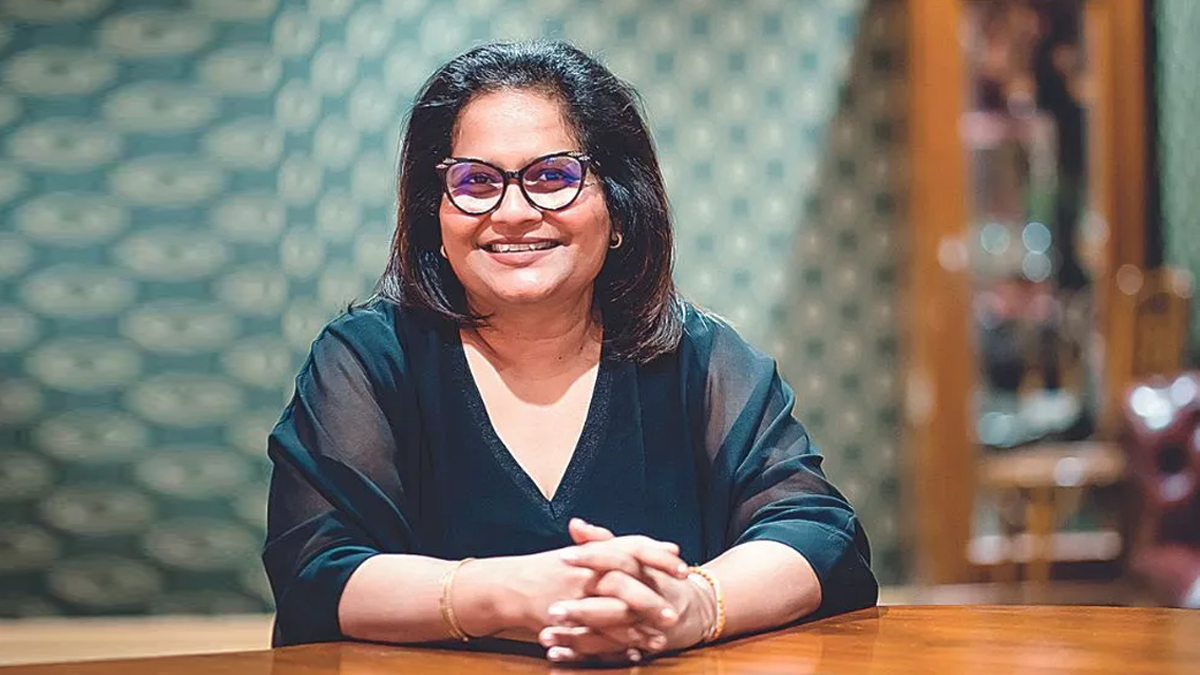
NEW DELHI: WPP has appointed Hephzibah Pathak as chief executive officer of WPP Creative India, putting a local leader at the helm of its newly created creative operating model in one of its most important growth markets.
The move brings clarity to how WPP’s global restructuring will play out in India, weeks after the group unveiled WPP Creative as part of its Elevate28 strategy. The unit sits alongside WPP Media, WPP Production and WPP Enterprise Solutions, and is designed to simplify what the company previously described as an overly complex structure.
Pathak, who continues as executive chairperson of Ogilvy India, will represent all agencies under the WPP Creative umbrella in India. Her role centres on driving integration across brands, expanding capabilities and ensuring clients can tap into the network’s full talent pool without friction.
WPP said Pathak will work closely with agency brand CEOs to “enhance integration, expand capabilities, and ensure seamless client access”, while maintaining the distinct identities of its agencies.
The portfolio under WPP Creative includes leading networks such as VML, Landor, AKQA and Grey, along with Burson and its affiliated firms. Leaders across these agencies will now report into Pathak, even as each brand continues to operate independently within a unified system.
The appointment also formalises a dual-track strategy in India, preserving agency identities while accelerating collaboration. Pathak is expected to work closely with media leadership to align creative and media capabilities, reflecting growing client demand for integrated, multi-market solutions.
WPP Creative global CEO Jon Cook has described the unit as “not an agency” but an operating system that helps creative, design and PR brands work together more effectively. The group has been clear that it is not merging or phasing out legacy agency brands, instead aiming to reduce complexity on the client side.
Pathak brings nearly three decades of experience within the network, having joined in 1997 and held roles ranging from Mumbai office head to chief client officer. She made history in 2024 as the first woman to lead Ogilvy India in its 95-year presence in the country.
Her expanded mandate positions India at the centre of WPP’s Asia-Pacific strategy, with a focus on strengthening brand presence, deepening client relationships and unlocking growth in a fast-evolving market.
The appointment signals WPP’s intent to move beyond the traditional holding company model towards a more integrated, AI-enabled structure. With Pathak now steering WPP Creative India, the group appears set to test whether simpler structures can indeed deliver sharper creative outcomes.