MAM
upGrad turns unicorn with $1.2 billion valuation
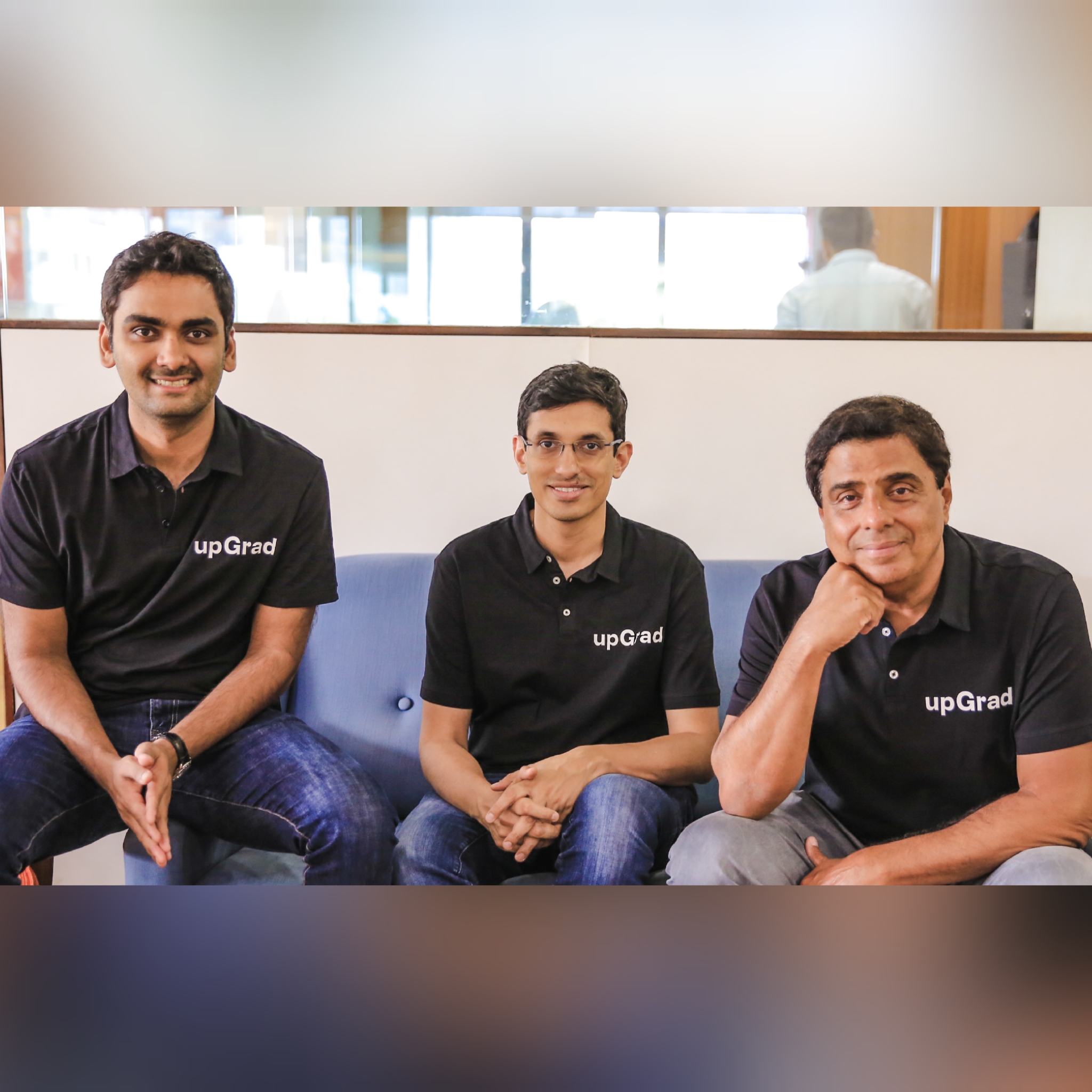
Mumbai: Homegrown online higher education provider upGrad has become the newest unicorn from the country after it closed a series of raises from Temasek, IFC (International Finance Corp, a sister organisation of the World Bank and member of the World Bank Group), and IIFL. The ed-tech startup has raised a total of $185 million at a value of $1.2 billion.
“We are very focussed on our path to being in the top three to five companies globally in ed-tech and serving the one billion workforces across the age group of 18 to 60 years,” said upGrad chairperson and co-founder Ronnie Screwvala. “We are pleased with the investor interest ever since we opened up for a fundraise, and had our maiden raise from Temasek, followed by IFC and IIFL in the last 60 days.”
“We will announce further updates on M&As, and unlocking value as they unfold. Yes, the last value was at $1.2 billion, but as I keep saying, we are not a fan of the tag name unicorn – for us, it is only a means to a much larger goal,” Screwvala added.
upGrad has always been promoter-funded with the founder group still owning 70 per cent plus in the company. It is reportedly in advanced talks for a $400 million fundraise at a valuation of $ four billion.

Brands
Reserve Bank of India cancels Paytm Payments Bank licence
Central bank cites compliance failures; curbs tighten as wind-up looms
MUMBAI: India’s banking watchdog delivered its sharpest blow yet to Paytm Payments Bank, cancelling its licence and effectively ending its ability to operate as a bank under the law.
The Reserve Bank of India said the entity can no longer conduct banking business under the Banking Regulation Act, citing concerns that its affairs were not being run in the interest of depositors or the public and that it had failed to meet licence conditions.
The move escalates a crackdown that has been building for months. The bank had already been barred from onboarding new customers since March 11, 2022, and later faced restrictions on deposits, credit and wallet top-ups. In January 2024, the central bank ordered it to stop accepting fresh deposits, pointing to persistent non-compliance, including lapses in customer due diligence, use of funds and technology systems.
Operationally, the bank is now on a tight leash. It may process withdrawals of existing deposits and facilitate loan referrals through banking correspondents, but it cannot take fresh deposits.
The central bank said it would apply to the high court to wind up the bank.
Paytm sought to ringfence the fallout. In a regulatory filing, it said the licence cancellation applies to Paytm Payments Bank Limited, a separate entity, and should not be attributed to One 97 Communications. It added that there is no exposure or material business arrangement with the bank and that it operates independently, without Paytm’s board or management involvement.
“As informed earlier, Paytm (One 97 Communications Limited) and its services, which have been operating without interruption, will continue to operate uninterrupted. These include the Paytm app, Paytm UPI, Paytm Gold and all other services offered by its subsidiaries and associated companies,” the company said.
The distinction may reassure users of the app ecosystem, but the regulator’s verdict is unequivocal. After years of warnings, caps and curbs, the payments bank experiment at Paytm is being shut down—decisively, and with little room left to manoeuvre.