MAM
Sanket Kulkarni joins Ormax Media as head – business development (theatrical)

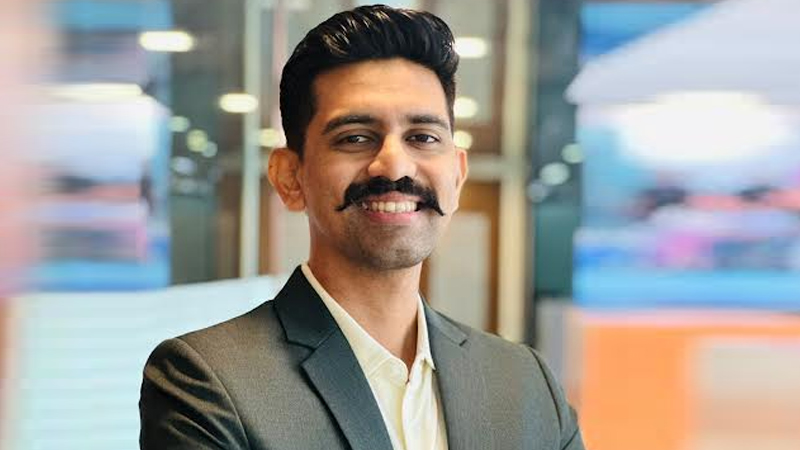
Mumbai: Media insights firm Ormax Media has appointed Sanket Kulkarni as head – business development (theatrical). In this role, Kulkarni will be spearheading the company’s business development and account servicing initiatives for the Indian film industry. He and his team will work closely with leading film studios, production houses and marketing agencies in the areas of content, marketing, and business strategy.
Ormax Media has been working actively with the Indian film industry for 15 years now, and has developed several tools that are used widely across the industry, such as Ormax Cinematix (campaign tracking), Ormax Moviescope (film testing), Ormax First Draft (script testing), Ormax Cine Sense (cinema audience profiling), Ormax Campaign Testing, etc. Ormax Media works closely with more than 35 business partners in the theatrical sector, including Disney, Sony Pictures, Viacom 18 Studios, Dharma Productions, Zee Studios, PVR, Yash Raj Films, etc.
Kulkarni joins Ormax Media’s formidable and experienced leadership team, which is headed by founder-CEO Shailesh Kapoor. Keerat Grewal heads Business Development for Streaming, TV & Brands domains. Amit Bhatia heads Audience Tracking, Mitesh Thakkar heads Content & Campaign Testing, and Khushroo Dumasia heads Operations & Technology.

Kulkarni started his career at Ormax Media itself, in 2014, as a part of the Film Insights team. After spending four years in the organisation, he moved on to ZEE5, followed by Sony LIV, where he specialized in content strategy and viewership maximization, respectively. He brings with him a strong understanding of the Indian entertainment industry landscape, and will be leading Ormax Media’s efforts to collaborate with the Indian film industry in an exciting yet challenging phase that the industry currently finds itself in.
Speaking about Kulkarni’s appointment, Ormax Media founder-CEO Shailesh Kapoor said, “We are excited to have Sanket on board as a part of our leadership team. His varied experience across the Indian media industry, combined with his passion for cinema, will help us further strengthen our relationships in the Indian film industry”.
Speaking about his new role, Kulkarni said, “Post the pandemic, the theatrical business in India has been in a constant state of flux, which has resulted in recalibration across the value chain. The evolving nature of the film business in India makes audience insights and analytics more relevant than ever before. Given its repository of data and audience understanding, Ormax Media is poised to play a crucial role in the growth of the Indian film business over the next decade. I am looking forward to collaborating with the best minds in the industry, in their pursuit to take more informed and audience-centric business decisions.”







MAM
Time brings TIME100 Next franchise to India with Reliance
List to spotlight 100 emerging leaders, gala set for December 2026 in Mumbai.
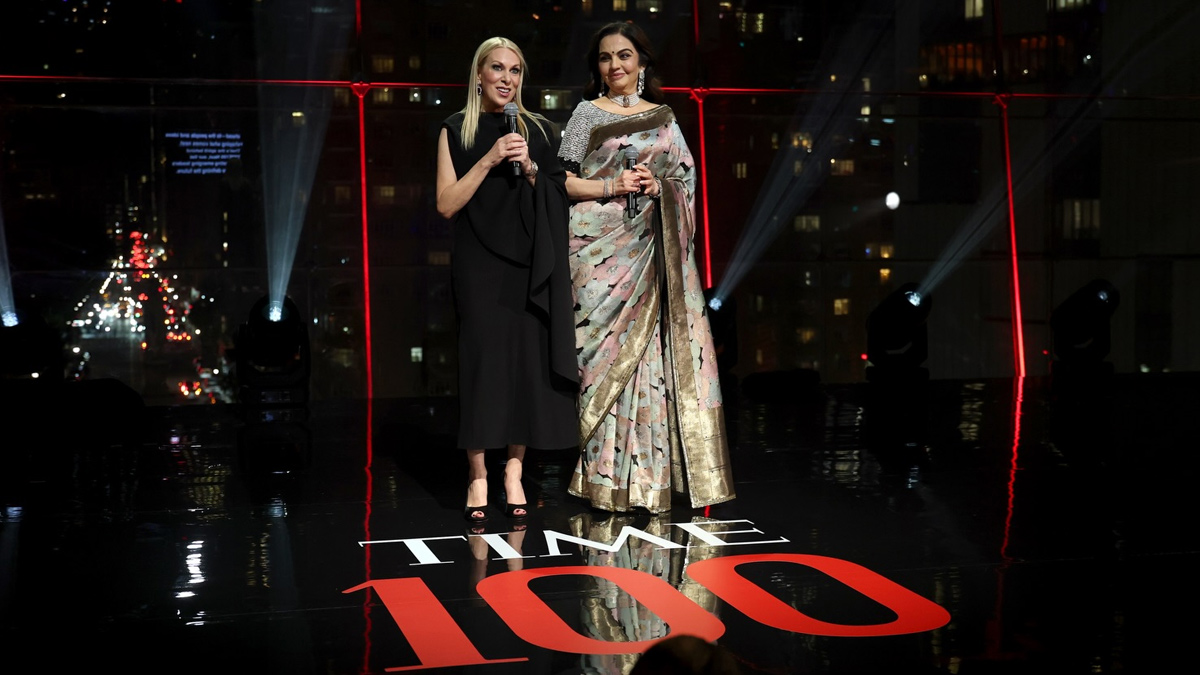
MUMBAI: It’s about time India’s next wave got a global spotlight and now, it’s on the list. New York-headquartered Time is expanding its TIME100 Next franchise to India, partnering with Reliance Industries Limited to launch TIME100 Next India, its first international extension of the rising leaders platform. The announcement was made at the Time100 Gala in New York by Jessica Sibley and Nita Mukesh Ambani, signalling a strategic push to tap into India’s growing influence across sectors.
The India edition will recognise 100 emerging leaders from the country and the global Indian diaspora, spanning business, science, sports, arts and social impact. The list will be curated by Time’s editorial team and published online, continuing the franchise’s focus on identifying individuals shaping the future.
The initiative will culminate in a gala event scheduled for December 2026 at the Nita Mukesh Ambani Cultural Centre, anchoring the platform within India’s cultural and business ecosystem.
TIME’s broader Time100 franchise has steadily expanded its global footprint since 2021 through events and impact-led initiatives. Executives noted that India’s growing pool of influential voices and innovators made it a natural next step for the platform’s international ambitions.
For Reliance, the partnership aligns with its broader push to support emerging talent and ideas on a global stage. For Time, it marks a timely bet on India not just as a market, but as a talent engine shaping the next chapter of global leadership.