GECs
Chandra calls for liberal programming code
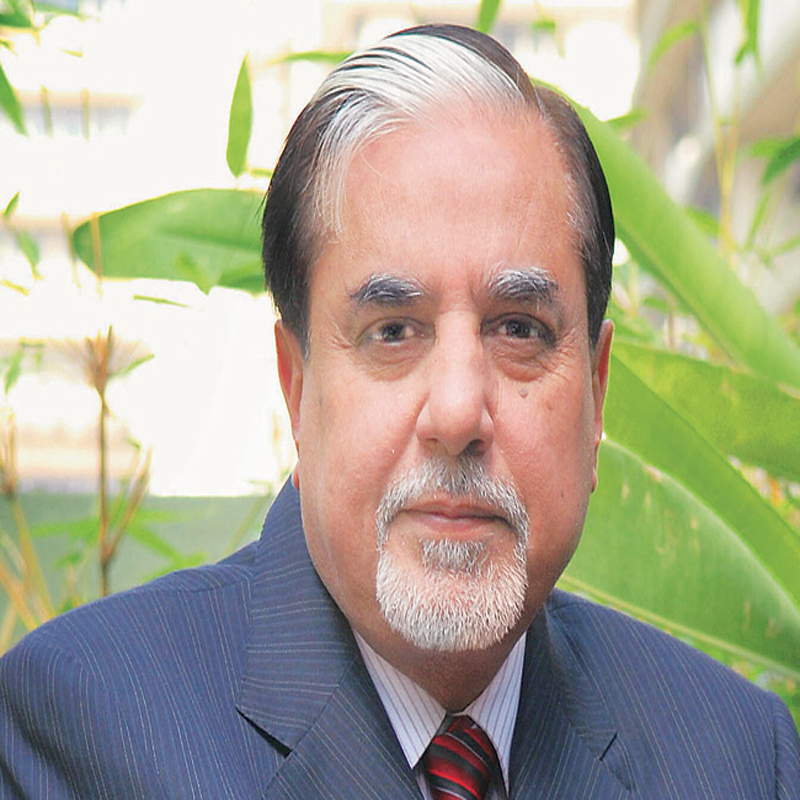
MUMBAI: Zee Telefilms chairman Subhash Chandra echoed Star TV CEO Michelle Guthrie’s sentiments when he too stressed that addressability will come about in India, but only through market forces.
Chandra, in his address at the valedictory session of Frames 2004, asked for a liberal programming code for channels, while also urging copyright protection laws. Chandra said his estimates for the media and entertainment sector in India are close to Rs 20,000 crore, a figure that differs substantially from the figure put out by the Ernst and Young report put out by Ficci on the first day of the convention. An additional Rs 20,000 crore will flow in if piracy is curbed, he said.
“Today television is the fourth necessity in this country after roti, kapda and makaan (food, clothing and shelter),” Chandra said. It is the unregulated nature of this industry that has taken the industry thus far, he said. The situation in India is quite different from the US, where the industry is far more tightly controlled that normally assumed.

GECs
Sebi sends show-cause notice to Zee over fund diversion, company responds
Regulator questions 2018 letter of comfort and governance lapses; company vows robust legal response
MUMBAI: India’s markets watchdog has reignited its long-running scrutiny of Zee Entertainment Enterprises, issuing a sweeping show-cause notice that drags the broadcaster and 84 others into a widening governance storm.
The notice, dated February 12, has been served by the Securities and Exchange Board of India to Zee, chairman emeritus Subhash Chandra and managing director and chief executive Punit Goenka, among others. At its heart: allegations that company funds were indirectly routed to settle liabilities of entities linked to the Essel Group.
The regulator’s probe traces its roots to November 2019, when two independent directors resigned from Zee’s board, flagging concerns over the alleged appropriation of fixed deposits by Yes Bank. The deposits were reportedly adjusted against loans extended to Essel Group entities, triggering questions about related-party dealings and board oversight.
A key flashpoint is a letter of comfort dated September 4, 2018, issued by Subhash Chandra in his dual capacity as chairman of Zee and the Essel Group. The document, linked to credit facilities availed by certain group companies from Yes Bank, was allegedly known only to select members of management and not disclosed to the full board—an omission SEBI believes raises red flags over transparency and governance controls.
Zee has pushed back hard. In a statement, the company said it “strongly refutes” the allegations against it and its board members and will file a detailed response. It expressed confidence that SEBI would conduct a fair review and signalled readiness to pursue all legal remedies to protect shareholder interests.
The notice marks the latest twist in a saga that has shadowed the broadcaster since 2019. What began as boardroom unease has morphed into a full-blown regulatory confrontation. The final reckoning now rests with SEBI—but the reputational stakes for Zee, and the message for India Inc on governance discipline, could scarcely be higher.