GECs
HC bars ‘Kyaa Kool’ DVD release before 16 June
MUMBAI: Balaji Telefilms has managed to block the video release of Kyaa Kool Hai Hum till 16 June, after moving the Bombay High Court against Indus Video Pvt Ltd.
Being producer of the movie, Balaji Telefilms feared an early video release could harm its commercial interests. Kyaa Kool Hai Hum was having a successful run on theatres since its release on 6 May.
Balaji moved the vacation bench of the court. After hearing, the court restrained Indus Video from releasing the video cassettes, VCDs and DVDs till June 16.
The production house had, in an agreement on 22 March, assigned the video copyrights of the movie to Indus Video. The video could be released four weeks from the date of its theatrical release. But in case the movie was declared a “hit” and was earning good commercial business across India in terms of theatrical revenue and collections, the agreement provided that the video release date could be extended for another two weeks (till 16 June).
Balaji Telefilms requested Indus Video to extend the date of the video release, saying the movie was acknowledged as a “hit.” Failing to convince Indus Video, Balaji approached the court, the company said in a release.
The court has adjourned this matter for further hearing till 17 June, the release added.

GECs
‘I wasn’t enjoying it’: Why ex-Colors CEO Raj Nayak quit at his peak
Former TV and media executive says happiness, not hierarchy, defines leadership
MUMBAI: Former television executive Raj Nayak, once among the most powerful figures in Indian broadcasting, has offered a candid reflection on leadership, ambition and the decision to step away at the height of his career.
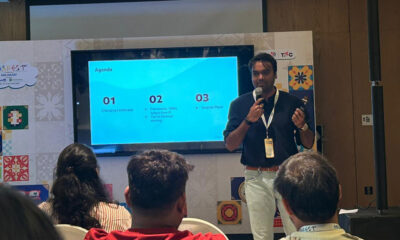
Speaking on the ThinkRight Podcast, Nayak dismissed corporate titles as hollow constructs, arguing that designations are often mistaken for identity. Leadership, he said, has little to do with hierarchy and everything to do with character.
Despite holding senior roles across Star TV, NDTV and Colors, Nayak described his career as largely unplanned. He said progress came not from strategy but from effort, adding that his only constant was giving each role his full commitment.
One of the most formative moments, he recalled, came in 2001 when he quit his job and spent nine months fighting a non-compete case in the Mumbai High Court. The sudden loss of structure and support, he said, exposed how dependent he had become on corporate machinery.
That period also shaped his public persona. The nickname “Raj Cheerful”, later adopted across social media, became a defining trait within the industry, with actors such as Hrithik Roshan embracing it as part of his identity. Over time, Nayak said, the label evolved from an affectation into a lived philosophy.
Nayak also addressed his decision to leave his role at the peak of his influence, a move he described as deeply counter-cultural in corporate India. From the outside, he said, everything appeared perfect. Internally, it was not. After months of unease, a conversation with his family proved decisive, pushing him to act on values he often spoke about publicly.
“People don’t quit jobs at their peak… I was doing everything perfect… but I knew I was not enjoying it,” he added.
Reflecting on success, Nayak argued that power and visibility offer no assurance of fulfilment. Happiness, he said, is a more reliable measure. Overcoming fear and greed, he added, remains the hardest test of leadership and of life.