MAM
Omnicom to acquire majority stake in Mudra Group

MUMBAI: US-based advertising giant Omnicom Group is upping its stake in Anil Ambani’s integrated marketing communications company Mudra Group in a bid to significantly expand its service capabilities and presence in India.
Omnicom, which at present holds 10 per cent stake in the Mudra Group will increase the holding to 51 per cent. As part of the agreement, Omnicom will also extend its partnership with the Reliance ADA Group and Reliance ADAG chairman Anil Ambani will join the Omnicom International Advisory Committee.
The deal will give Omnicom a strong foothold in the Indian market, where it is far behind its international competitors like WPP.

“This acquisition is an important step in achieving Omnicom‘s strategy to extend and deepen our presence in rapidly growing markets,” said Omnicom Group president and CEO John Wren. “Our vision is to be a source of innovation in every market we serve. Mudra is widely acknowledged as an outstanding company with impressive creative product and expertise in a broad range of disciplines. Mudra‘s innovation and depth of talent will strengthen our business capabilities not only in India but around the world.”
Mudra Group has a four agency networks: branding and communications agency Mudra India; marketing and advertising agency DDB Mudra; integrated engagement and experiential agency Mudra Max; and Ignite Mudra. It has 26 offices across the country and an extensive field activation network.
“DDB has been an excellent partner over the years. We have benefited immensely from the collaboration and transfer of knowledge from around the globe. We are proud to belong to such a storied network,” Mudra Group CEO Madhukar Kamath said. “Omnicom and DDB have clearly been the inspiration for Mudra Group‘s transformative growth over the last five years. My colleagues and I look forward to the next decade of explosive growth in the Indian market.”
DDB Worldwide president and CEO Chuck Brymer noted, “This acquisition will further unite two companies that have long held the same values, creative goals and ambitions. Under Madhukar‘s leadership, Mudra is the original challenger brand of the Indian communications industry, and it shares DDB‘s culture of creative excellence. Together, we will create even greater growth for our clients in this rapidly changing, technologically driven region.”
DDB and Mudra Group‘s relationship began in 1988 and later in 2007 the two companies formed DDB Mudra, which established DDB India, Tribal DDB, Rapp and DDB Health & Lifestyle in the Indian market.
DDB Asia Pacific CEO John Zeigler added, “Mudra has an impressive history as both creative leaders and strong believers in integrated solutions making them one of the most innovative companies in India.”
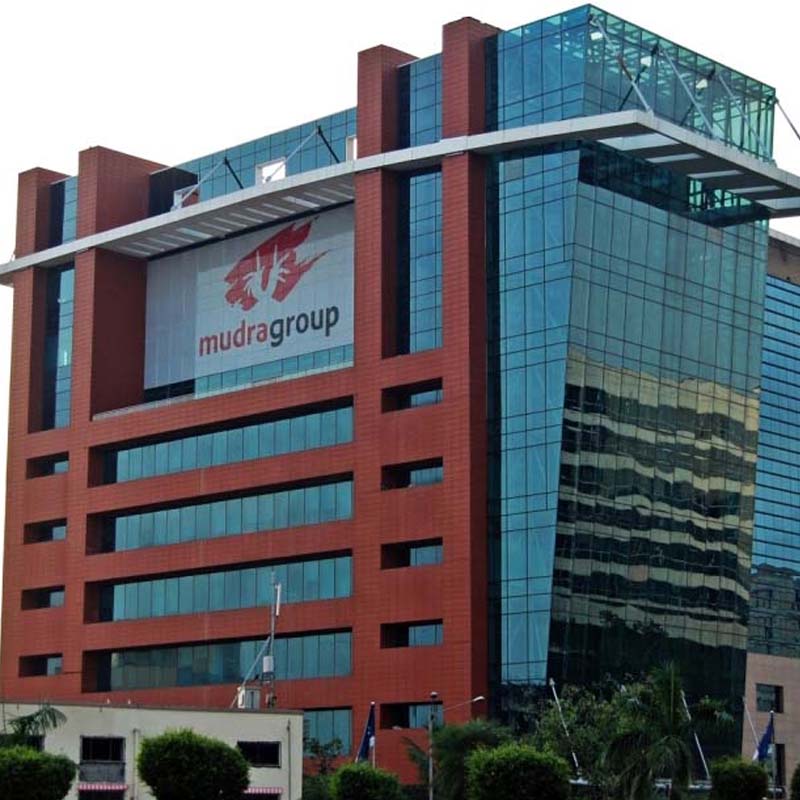
Omnicom Group EVP and CFO Randall Weisenburger noted, “In addition to significantly expanding our service capabilities in the region, this partnership will bring with it an exceptional Shared Services and Operations Center in Ahmedabad that will help Omnicom more efficiently expand its other operations in India. Additionally, Mudra recently moved into a new headquarters facility in Mumbai called Mudra House, a sustainable building and one of the few in India to be awarded LEED (Leadership in Energy and Environmental Design) Gold certification. Mudra House is widely acclaimed for its conservation features and state of the art technology.”






MAM
Sameer Nair steps down as CEO of Applause Entertainment
Veteran media executive exits after a decade at the Aditya Birla Group-backed studio.
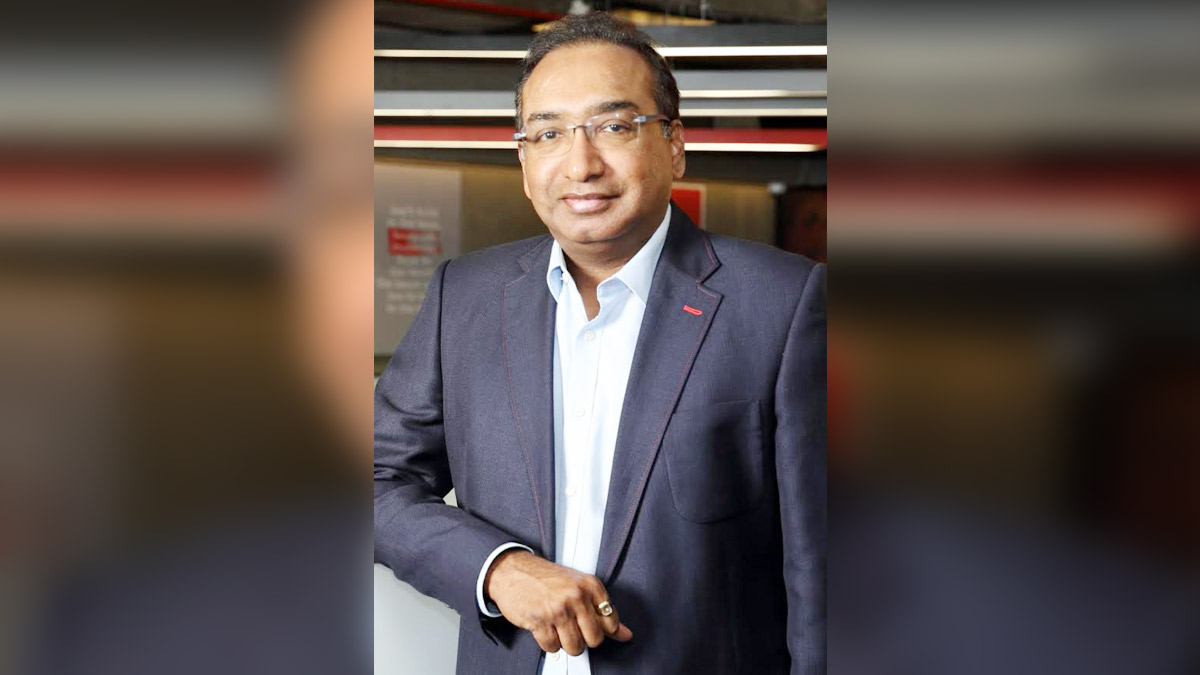
MUMBAI: After a decade of calling the shots, Sameer Nair is taking a bow from Applause Entertainment. The veteran industry leader and CEO of the prominent content studio is stepping down from his role, according to sources familiar with the development. This marks a significant leadership transition at one of India’s key players in the television and digital content space.
Applause Entertainment, part of the Aditya Birla Group, has built a strong reputation under Nair’s leadership for its high-quality adaptations of international formats and a slate of original series across OTT platforms. Nair, who joined the company a decade ago, was instrumental in shaping its growth and positioning it as a notable force in India’s evolving streaming landscape.
Prior to Applause, he held senior roles at major media organisations, including Star India, where he played a pivotal part in the launch of the iconic show Kaun Banega Crorepati in 2000. He also worked with Balaji Telefilms and NDTV Imagine.
It remains unclear who will succeed Nair or what his next professional move will be. Queries sent to Nair did not receive a response, and Applause Entertainment declined to comment on the matter.
His exit comes at a time when the Indian content ecosystem is undergoing rapid changes, with streaming platforms recalibrating investments, focusing on profitability, and adjusting content strategies amid shifting viewer preferences and increasing competition.
Industry insiders suggest the transition could signal a strategic reset for Applause as it navigates the next phase of growth.
In the fast-paced world of Indian entertainment, where hits can fade as quickly as they rise, Sameer Nair has enjoyed a remarkably steady and influential run. As he steps off the stage at Applause, the spotlight now turns to what comes next for both the executive and the studio he helped build.







