MAM
ASCI upheld 99 complaints against 136 advertisements

MUMBAI: In the month of February, Advertising Standard Council of India’s (ASCI) Consumer Complaints Council (CCC) upheld 99 out of 136 advertisements. What is interesting that this time around, along with the product advertisements, product packaging was also found misleading in many of the products upheld in the second month of the year.
In the health and personal care category, the CCC found claims in product or service ads of 80 advertisers, released in the press to be either misleading or false or not adequately/scientifically substantiated and hence, violating ASCI’s Code. Some of the health care products or services ads also contravened provisions of the Drug & Magic Remedies Act. Complaints against some of the ads which were upheld are: Dabur India’s Fem Fairness Natural Bleach claims that ‘everyone’s desire for fairness will be fulfilled’. ‘The saffron in it gives a glowing skin for long time’. Colorbar Eye Believe Ultimate Eye Cream advertisement says that ‘Why women love Ultimate Blemish Corrector? 92% women saw a visible lightening of under-eye circles* Super: *Based on internal consumer study.’

Also, Eureka Labs’ ‘Health Enhancer Capsule claims that it ‘sures digestion process, increases hunger’, ‘develops body and makes it energetic’, ‘makes body fit and healthy’, ‘helpful for increasing height in kids’, ‘patent ayurvedic medicine.’ Marico’s logo “International Hair Research Certified” appearing in the TVC is misleading by implication that the product has been endorsed by some institute, this claim was not substantiated. Also the source & date for the claim is not indicated in the TVC.
In all, complaints were upheld against 80 ads in the category.
The CCC found claims in print ads by five different advertisers were not substantiated violating the ASCI Guidelines for Advertising of Educational Institutions and hence the complaints against the ads were upheld. For instance, Guru Gobind Singh Indraprastha University’s advertisement claims that it is accredited A grade by NAAC (National Assessment and Accreditation Council).
For Food & Beverages category, the CCC concluded that the claims mentioned in the six advertisements were not substantiated. The advertisements contravened ASCI’s Code. The complaints were upheld for Marico’s advertisement of ‘Saffola Total’ claim that it is better than Olive Oil. Saffola Total has started an all-out attack on olive oil. The ad appears even after the recent ban on the adverts of Saffola Total, denigrating olive oil. Similarly, the pamphlet of The Pizza Hub offered a 50 per cent discount only for that day. However, on calling to order, the complainant was told that the offer was only on certain pizzas. This wasn’t mentioned anywhere in the pamphlet, nor was there a generic disclaimer such as ‘terms and conditions’ apply.





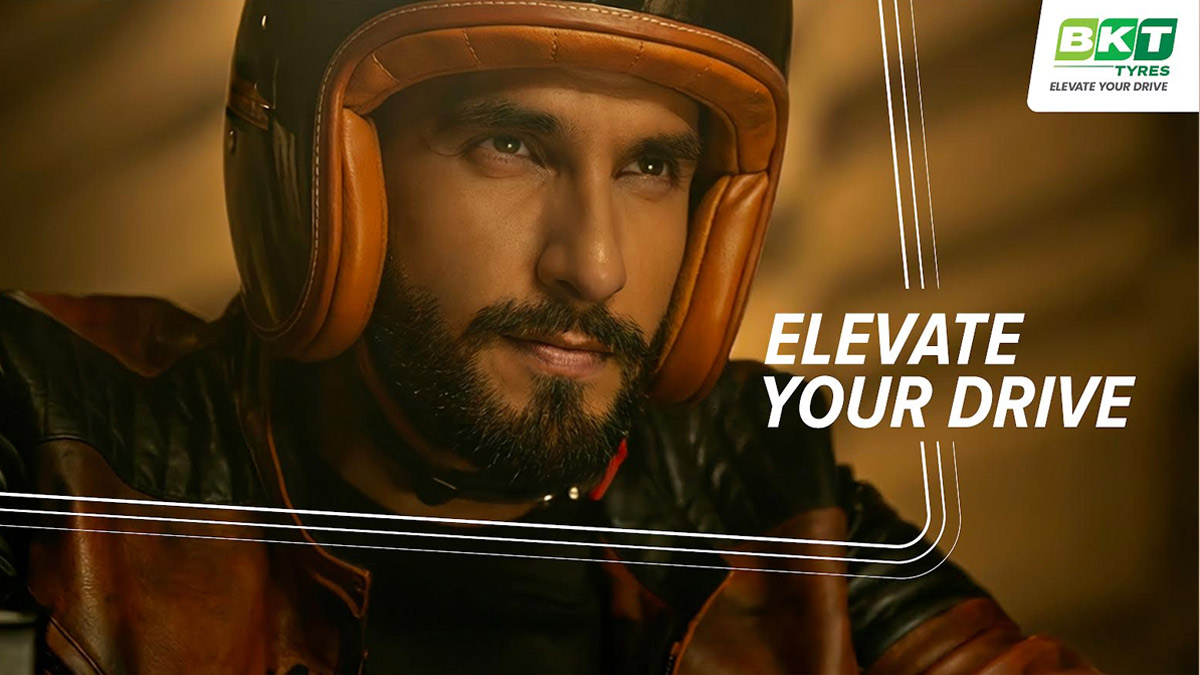
MUMBAI: BKT Tyres has decided to roll into the two-wheeler world with some serious jurrat and it’s brought Ranveer Singh along for the ride. The off-highway tyre specialist has unveiled its new campaign, ‘Jurrat’, marking a strategic push into India’s massive two-wheeler segment. The high-energy TV commercial, featuring brand ambassador Ranveer Singh, debuted on 3 April 2026 during the Indian Men’s T20 League 2026.
The campaign revolves around the core belief that true confidence on the road comes from dependable performance beneath you. ‘Jurrat’ (meaning courage) captures the mindset of riders who navigate dynamic and often unpredictable daily commutes with determination. It brings BKT Tyres’ brand philosophy ‘Elevate Your Drive’ into the two-wheeler space by spotlighting three key product benefits: long life, exceptional road grip, and unmatched comfort.
BKT Tyres chief marketing officer for India Mahesh Koppad said, “India’s two-wheeler segment reflects the way the country moves, works, and progresses every day. ‘Jurrat’ highlights how performance-led tyres, engineered for long life, comfort, and grip, enhance the overall riding experience and support uninterrupted progress in everyday life.”
The campaign is being rolled out across television and digital platforms with high-impact placements to ensure maximum reach and engagement.
This launch represents BKT Tyres’ calibrated expansion from its stronghold in off-highway tyres to becoming a more holistic mobility brand, addressing the everyday transportation needs of millions of Indian riders who rely on motorcycles and scooters as their primary mode of transport.
In a segment where confidence is everything, BKT Tyres is betting that a combination of bold celebrity appeal and strong product performance will help it gain serious traction on Indian roads. The campaign signals that the company is ready to move beyond its traditional turf and accelerate in the fast-paced two-wheeler market.






