Digital
Behind the scenes: Crafting memorable characters in ad films for maximum impact

Mumbai: “Welcome to Apple, welcome to Apple. Hi, I’m Tim.” — If these words don’t ring a bell, you’re probably living under a rock.
Apple’s incredibly self-aware campaign featuring the aptly cast Octavia Spencer and Tim Cook, made everyone sit up and take note (and how!). It served as a wake-up call (a gentle nudge, perhaps?) even for the tech giants themselves.
The ad wasn’t without its detractors (though I stand firmly on the other side of the fence). But what truly shines is the ingenious use of Mother Nature as a character delivering a stern message, proving that even the pioneers of technology can’t escape her watchful eye.

The art of captivating in 30 seconds
The advertising world thrives on crafting powerful visual narratives that reel audiences in within a limited timeframe – think 30-40 seconds, tops. Every beat counts. From catchy slogans to imaginative scripts, from celebrity endorsements to impactful social statements, the ultimate goal is to leave a lasting impression.
One well-worn advertising tactic is the “Fluent Device”. This strategy involves creating mascots with an overwhelmingly positive or humorous vibe that become synonymous with the brand. Think Ronald McDonald, the iconic clown mascot of McDonald’s, or the Pillsbury Doughboy and Energizer Bunny. These instantly recognisable mascots can become a brand’s cornerstone, especially in a crowded marketplace vying for consumer attention and loyalty.
Another popular trope is the star-studded commercial. In India, for example, celebrity endorsements have proven incredibly successful. However, character development can be a significant hurdle. Only a rare few brand-celebrity-agency collaborations truly succeed in hammering home a message by portraying a well-known face in an unexpected light. Often, they opt for a full-on glam approach, hoping to grab viewers’ attention. And hey, it works in India!
The power of emotion and originality
Adorable children and pets are another favorite advertising trope, perfect for conveying heartwarming messages. When executed thoughtfully, it’s a recipe for success. Some of the most iconic ads fall into this category, featuring endearing characters and storylines that instantly captivate audiences.
A personal favourite is Hutchison’s “boy and the dog” ad, masterfully crafted by Ogilvy. This ad doesn’t miss a beat, delivering a near-perfect message with an unforgettable tagline: “Wherever you go, our network follows.” You might forget the brand, but not the tagline. It was 10/10. Period.
The art of the “alternative message”
Now on to my favourite advertising category: the “alternative message”. This is a notoriously challenging approach but immensely satisfying when executed right. Imagine taking a brand’s core message and weaving a narrative that initially seems to sidestep it entirely. Viewers are left puzzled, wondering where the ad is headed. Here’s the magic: the storyline builds such a unique premise that it reels viewers in with the question, “What’s next?” The climax explodes with a connection so unexpected (oftentimes bizarre) that it leaves audiences in awe, amusement, and surprise all at once.
The sheer oddity of the connection fuels the audience desire to see the ad again, simply for another 30-second rollercoaster ride. This is why we call it “alternative messaging.” Think of the Happydent “Sparkling Smile Palace” ad – a triumph of exceptional craftsmanship and originality. The iconic Fevicol ads tread a similar path, both prime examples of what we can call delightful hyperbole, captivating narratives, and a true creator’s delight.
The winning formula
Beyond all the technical jargons, there’s a crucial element to crafting a knockout campaign: a brand willing to embrace creative freedom and a team of visionary mavericks ready to push the boundaries of storytelling. By wielding impactful creative tropes, punctuated by captivating narratives and well-developed characters, the brand-agency alliance can forge messages that resonate with audiences for generations to come. And if all else fails, well, there’s always the CEO option – just ask Tim!
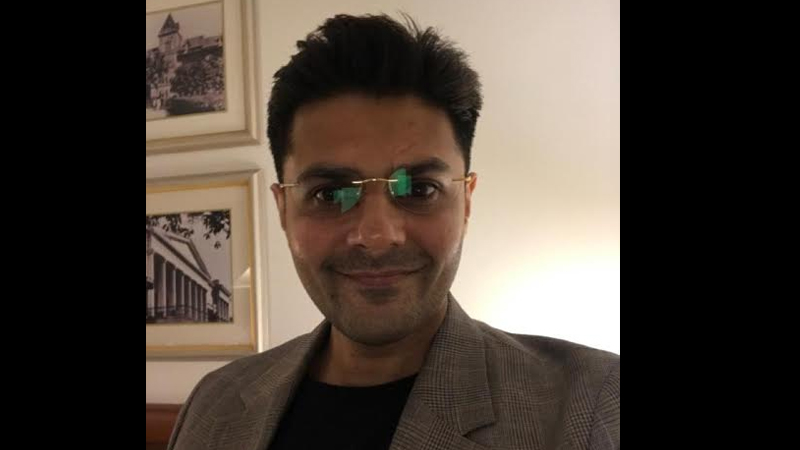
The article has been authored by WeInvert founder & CEO Anjan Purandare.



Digital
OpenAI’s Stargate lead Peter Hoeschele exits with two senior leaders
Trio behind compute push set to join new startup amid leadership reshuffle

SAN FRANCISCO: Peter Hoeschele, a key figure behind OpenAI’s early Stargate data centre initiative, has exited the company, according to a report by The Information.
The departure is part of a broader leadership shift, with two other senior executives, Shamez Hemani and Anuj Saharan, also set to leave in the coming days. All three are expected to join the same new startup, although details about the venture remain under wraps.
The trio played a central role in OpenAI’s Stargate effort, an initiative aimed at building large-scale data centre capacity in-house to reduce reliance on external infrastructure providers. Their exits mark a notable moment for the company’s compute strategy as it continues to scale rapidly.
OpenAI spokesperson said in a statement to The Information, “We’re grateful for the contributions Peter, Shamez, and Anuj have made to OpenAI and wish them the very best in what comes next.” The company also pointed to the recent appointment of Sachin Katti to lead its industrial compute organisation, signalling continuity in its infrastructure roadmap.
OpenAI has indicated that it does not plan to directly replace Hoeschele’s role, suggesting a possible restructuring of responsibilities within the team.
As competition intensifies in the race to build next-generation AI systems, leadership changes in core infrastructure teams are likely to draw close attention. For now, the spotlight shifts to what this departing trio builds next, and how OpenAI adapts as it scales its ambitions.







