Applications
Kudelski to take controlling interest in TV technology firm OpenTV

MUMBAI: US firm OpenTV which provide enabling technologies for advanced digital television services has announced that the Kudelski Group which works in the area of content protection and related digital television technologies, has signed a stock purchase agreement with Liberty Media to acquire voting control of OpenTV. |
The transaction aligns two global digital television technology firms who, together, will be able to deliver fully integrated products and solutions to the world‘s digital TV operators, spanning conditional access software, middleware, interactive applications, and advertising. At the same time, the transaction enables both companies to continue operating independently, supporting efforts to serve some customers on a standalone basis as their requirements dictate. The Kudelski Group companies, with consolidated 2005 revenues of approximately $550 million, include primarily: — Nagravision, a worldwide leader in integrated security software solutions for digital television — Nagra France, NagraStar, Nagra Plus, NagraCard and NagraID — Abilis, Quative, and SmarDTV developing new technologies in mobile, IPTV and security — SkiData specialising in public access OpenTV has historically worked closely with the Kudelski Group to deliver various digital television services, including PVR, VOD and other on-demand services, EPG and content syndication for on-demand services, interactive applications, and enabling technologies for enhanced and interactive advertising. |
OpenTV chairman and CEO Jim Chiddix says, “Aligning ourselves with a global leader in the digital television sector like Kudelski will help us immediately extend our product lineup “We think this deal offers us a myriad of new opportunities to bundle solutions, sell products into Kudelski‘s existing customer base, save costs through various integration and joint R&D efforts, and collaborate more effectively in several early stage sectors, such as the digital terrestrial market. “And, just as importantly, we expect to do that while retaining the requisite degree of independence necessary to satisfy the needs of all of our existing and potential customers and partners, with a continued focus on maximising value for all OpenTV stockholders.” Kudelski Group chairman and CEO Andre Kudelski says, “OpenTV‘s software has established the global benchmark for set-top box middleware. We also believe it is a company with great potential and very talented people, a gold-plated customer list, and market-leading technologies that will offer both OpenTV and the Kudelski Group, working side by side, real growth opportunities. “This transaction was driven, in large part, by recognition of OpenTV‘s leadership position in advanced digital television and our desire to work more closely with OpenTV to capture additional market share in the rapidly consolidating digital television industry. With digital television households expected to double by 2010, with the landscape for television advertising changing daily, and with the mobile and online video sectors now quickly evolving, we see OpenTV as extremely well-positioned to exploit these opportunities — even more so given the complementary nature of our product offerings.” Liberty Media senior VP Michael Zeisser says “Over the past four years, through its controlling position in OpenTV, Liberty has helped shape an industry-leading player in digital television. OpenTV has a strong management team, customers, and momentum. As it embarks on its next stage of growth Kudelski will be a formidable strategic partner.” |

Applications
With 57 per cent single new users, Ashley Madison rebrands as discreet dating platform
Platform says majority of new members now identify as single
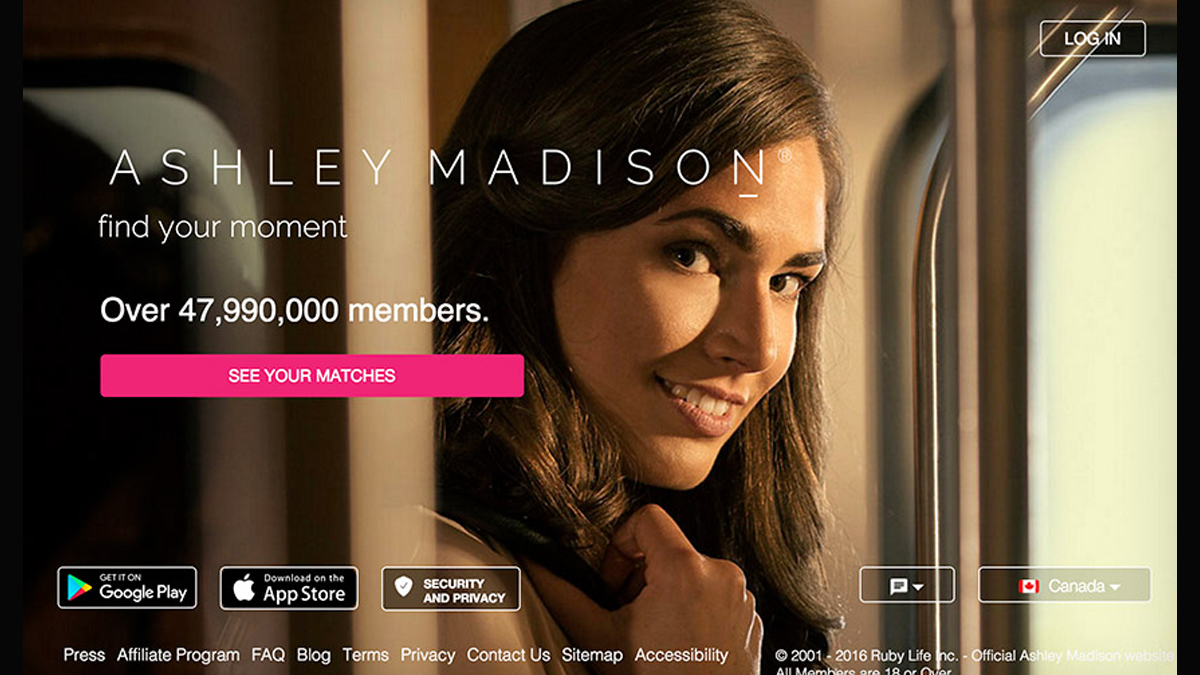
INDIA: Ashley Madison is shedding the “married-dating” label that defined it for two decades, repositioning itself as a platform for discreet dating in what it calls the post-social media age.
The rebrand, unveiled in India on 27 February, 2026, marks a structural shift in business model and identity. Once synonymous with married dating, the company now describes itself as the “premier destination for discreet dating” under a new tagline: Where Desire Meets Discretion.
The pivot is data-driven. Internal figures show that 57 per cent of global sign-ups between 1 January and 31 December, 2025 identified as single: a notable departure from the platform’s married core. The company argues that its community has already evolved beyond its original positioning.

“In an age where our lives have been constantly put on public display, privacy has become the new luxury,” said Ashley Madison chief strategy officer Paul Keable. He framed the platform’s offering as “ethical discretion” for singles, separated, divorced and non-monogamous users seeking private connections.
The shift also taps into wider digital fatigue. A global survey conducted by YouGov for Ashley Madison, covering 13,071 adults across Australia, Brazil, Canada, Germany, India, Italy, Mexico, Spain, Switzerland, the UK and the US, found mounting discomfort with hyper-public online lives.
Among dating app users, 30 per cent cited constant swiping and messaging as a source of fatigue, while 24 per cent pointed to pressure to curate public-facing profiles and early personal disclosure. Some 27 per cent said fears of screenshots or information being shared contributed to exhaustion; an equal share cited unwanted attention.
The retreat from oversharing appears broader. According to the survey, 46 per cent of adults actively try to keep most aspects of their life private online. Only 8 per cent feel comfortable sharing most aspects publicly, while 35 per cent say they are becoming more selective about what they disclose.
Ashley Madison is betting that this cultural recalibration towards controlled visibility can be monetised. By doubling down on privacy infrastructure and reframing itself around discretion rather than infidelity, the company is attempting to convert reputational baggage into a premium proposition.