iWorld
This generation will witness shift from linear TV to OTT: Sameer Nair

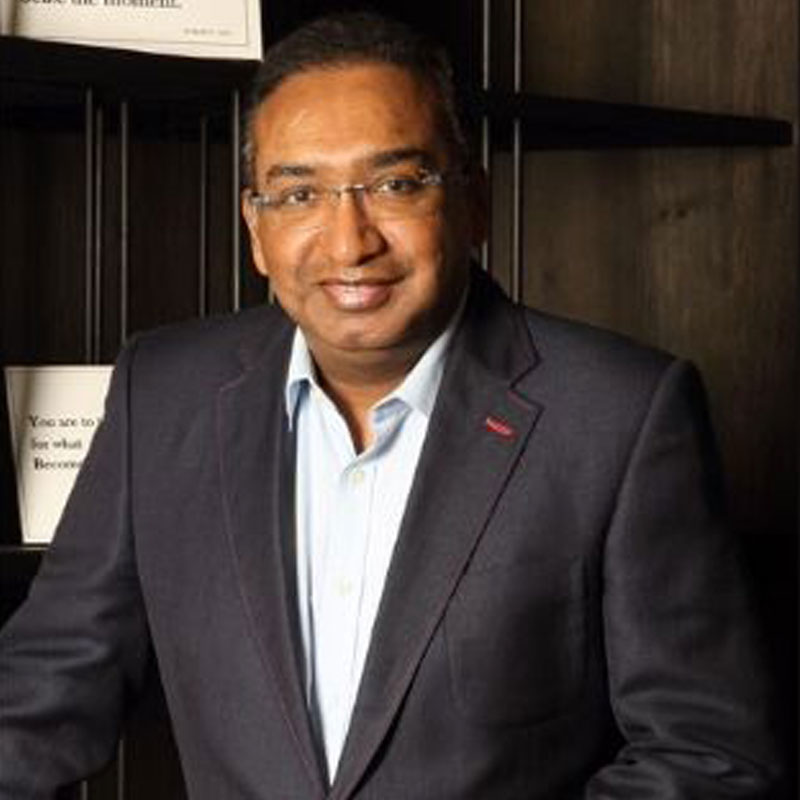
MUMBAI: Ever since the Covid2019 pandemic cast its shadow over the world, the consumption pattern of audiences has altered drastically. The entertainment industry, for one, has witnessed radical changes as the shutdown of theatres led to viewers taking to smartphones to keep themselves engaged. This shift has further prodded the digital landscape to pick up the pace and the streaming platforms across the world to acquire a fresh audience base. To bring these changes to light and platform an in-depth discussion, the Asia Society in southern California held a webinar on ‘Cinemas to Smartphones: Streaming Wars and the Future of Bollywood and India Content’.
The discussion was a part of the eleventh US-Asia Entertainment Summit, and the country in focus was one of the largest consumer markets in the world – India. To represent the country on a global scale, Applause Entertainment CEO Sameer Nair shared his insightful perspective on the topic. Other panellists included filmmaker Shekhar Kapur and entertainment lawyer Gowree Gokhale.
On OTT landscape in India
Nair began by highlighting the impact of Covid2019 on the streaming industry in India, the future of television, and the big opportunities that await in a nation of content-hungry viewers.
The current state of the OTT landscape in India is a lot like the early days of television, related Nair. Just like in the ‘90s when a whole bunch of TV channels emerged from a number of players and investors, a similar trend is at play in the streaming business now. “In India we have a potential of 500 million-strong audience base and the streaming platforms have touched around 20 million, so it is a long way to go. India is a large market connected with smartphones and broadband connectivity, cheapest data in the world, already savvy with television and film. This is a growth phase where there will be a lot of investment as we essentially move audiences from television to streaming,” said Nair.
He went on to add that theatrical revenue is a very important income stream –
Those who draw a comparison between 9,000 theatrical screens versus 900 million smartphone screens miss the fact that the 900 million smartphones are not going to generate the sort of revenue compared to what the country can potentially generate theatrically. “So, taking the theatrical experience off the market translates to a significant economic change and you are also leaving a great chunk of retail revenue on the table. I think streaming platforms can compensate for those $80-100 billion to offset the theatrical revenue loss.”
On the other hand, film Director and producer Shekhar Kapur quipped that there is no competition between theatre and OTT platforms. The success of any content, be it on television or OTT platform, largely depends on the technology as well. Every new technology creates a new culture of content creation and a new culture of content consumption. Therefore, he finds Netflix and Amazon as technology companies rather than content companies who, in the end, took advantage of technology to deliver content. But due to Covid2019, people are very comfortable watching content while sitting at home, and so it becomes very difficult for theatres to bring audiences back, mused Kapur.
On the future of television in India
The linear television industry in India has reached 197 million TV and cable satellite homes. There is about 10-15 million more to go and it is now scraping the bottom of the barrel. As every content platform and every technology creates a content habit, TV was the classic talking to the consumer technology and it told you to watch your favourite shows at specific time slots so you had to reorder your life accordingly.
But then came the streaming platforms, which made content available to you whenever you want it, thereby precipitating one of the biggest changes in consumer habits. Nair theorised that it won’t be long before traditional TV viewing becomes completely obsolete. Said he: “The way TV is progressing, dependent on advertising and subscribers, it has reached its scale. This is a decade where we will be able to see a gradual transitioning out of typical linear television to streaming platforms and then moving on to even more dramatic technological advancements.”
On the success of Scam 1992: The Harshad Mehta Story
One of the platform’s latest offerings, Scam 1992: The Harshad Mehta Story, has become the talk of the town. It is currently the highest rated show on IMDB in India (9.6) and #16 amongst the top 50 television shows globally. With phenomenal ratings and record-breaking performance, the show has made it to the list of the top five OTT shows for the last week of October, according to a streaming tracker by Ormax Media.
This is a clear indication of the demand for differentiated content and the need to cater to the audience in this regard.
“People watch programmes, not channels. And in a way how people watch movies and go to theatres because of the ambience, similarly now with platforms or with any form of content, people are more drawn to individual experiences and a collection of that content makes a platform,” Nair said.
He noted that for a platform to succeed, its offerings have to be much larger and deeper, as eventually they depend on a subscription model or they want their customers to come back again and again.